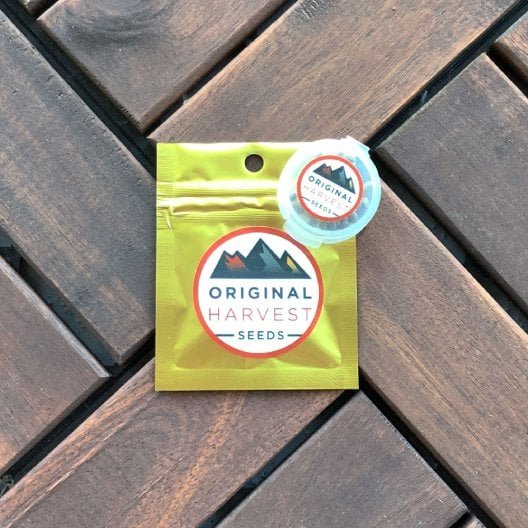

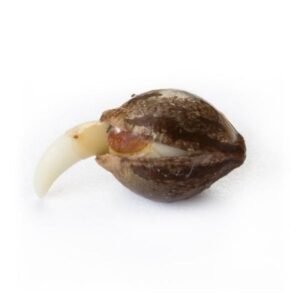

Northern Lights Seeds
Price range: $33.77 through $229.99
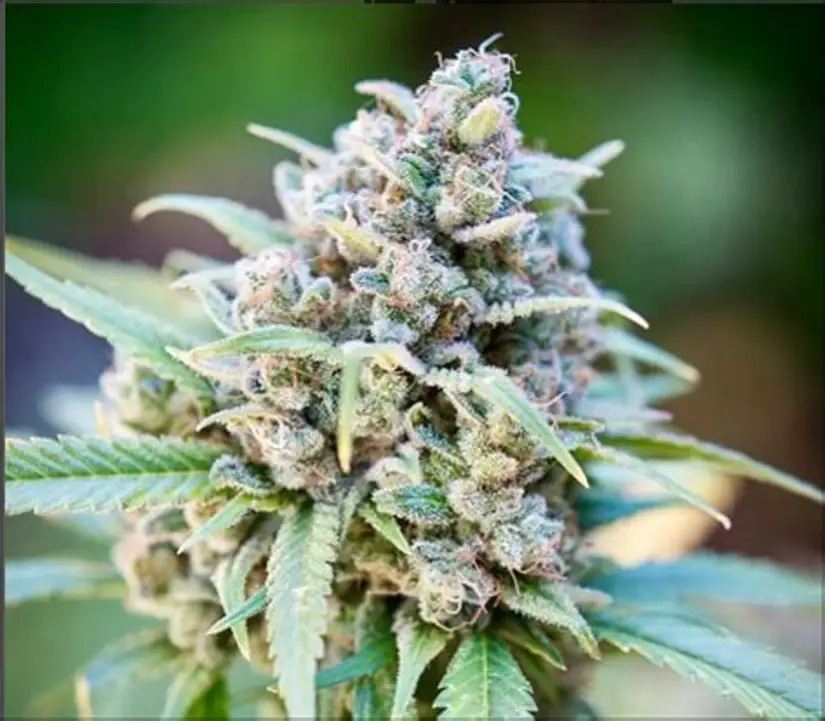
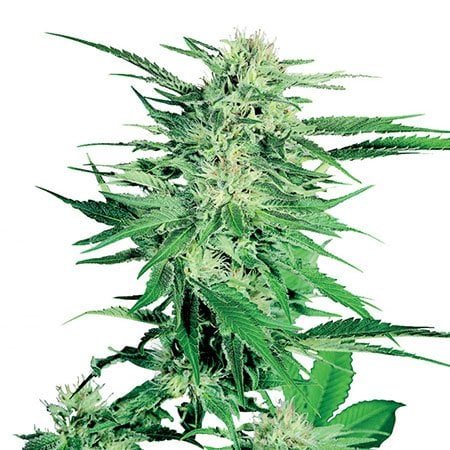
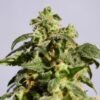
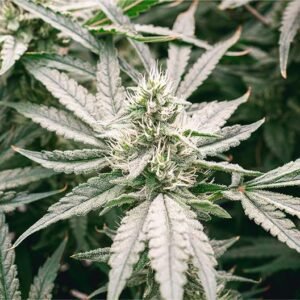
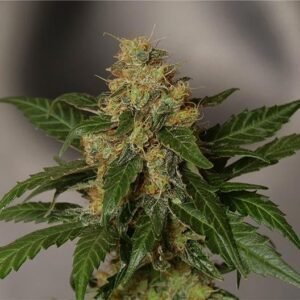
Northern Lights (NL) is an indica-leaning classic cultivar with a well-known Afghani x Thai lineage and a big legacy in modern breeding. Expect dense, resin-heavy flowers with a pungent sweet-and-spice profile, plus occasional purple tones and lots of crystal coverage.
Origins of Northern Lights
Northern Lights has one of those origin stories that’s part documented history, part cannabis folklore. Most sources agree the cultivar traces back to Afghani and Thai landrace genetics, with early versions circulating in the Pacific Northwest before it took off in Europe.
The moment the timeline gets a lot clearer is the mid 1980s. Breeder Nevil Schoenmakers, working through The Seed Bank of Holland, is widely credited with bringing Northern Lights into the Netherlands and selecting standout phenotypes that helped lock in the cultivar’s reputation. From there, it was refined and popularized through Dutch seed circles, including what became Sensi Seeds.
If you’ve ever heard people talk about numbered cuts like Northern Lights #5, that comes from this era of phenotype hunting and selection, when different plants under the same umbrella name were being tested, kept, and shared.
Growing Tips for Northern Lights
Northern Lights is known for being a forgiving cultivar that works well for a wide range of growers. It stays compact, responds well to training, and does not demand a complicated setup to perform consistently.
This cultivar tends to prefer indoor environments where light cycles and airflow stay predictable. Its shorter stature makes it a solid fit for tents or rooms with limited vertical space. Basic topping or low stress training can help open up the canopy and support even flower development.
Northern Lights usually finishes faster than many modern cultivars, so keeping a close eye as flowering progresses helps avoid pushing it too long. Stable temperatures, steady feeding, and good airflow go a long way here. When conditions stay dialed in, this cultivar rewards patience with dense, resin-coated flowers that reflect its old school reputation.
Aroma and Flavor Profile
Northern Lights carries an old school aroma that longtime growers recognize right away. The scent leans earthy and sweet, with a deep pine note underneath and a mild spicy edge that shows up once flowers start to mature.
On the flavor side, expect a smooth, grounded profile. Earth and pine lead the way, followed by subtle sweetness on the exhale. Some phenotypes bring a faint herbal or peppery finish that lingers without feeling sharp. It’s a straightforward profile that reflects why this cultivar has stayed relevant for decades.
Dominant Terpenes
Northern Lights is known for a terpene mix that keeps things grounded and familiar. Myrcene usually leads the way here, giving the cultivar its earthy base and slightly sweet undertone. This terpene is a big reason Northern Lights smells rich and full once flowers are properly developed.
Caryophyllene often shows up next, adding a mild peppery bite that rounds out the aroma without overpowering it. Pinene is commonly present too, bringing in that clean pine note that cuts through the sweetness and keeps the profile from feeling heavy.
Together, these terpenes shape the classic Northern Lights scent and flavor. Nothing flashy, nothing forced. Just a balanced terpene lineup that’s helped this cultivar hold its place for decades.[/vc_column_text][/vc_column][/vc_row][vc_row][vc_column][vc_column_text css=””]
FAQs
[/vc_column_text][vc_toggle title=”Are Northern Lights seeds available as feminized or autoflower?” css=””]Yes. Northern Lights seeds are typically offered in feminized and autoflower formats. Feminized photoperiod Northern Lights seeds are suited for growers running a standard light cycle, while Northern Lights autoflowers are bred to finish based on age rather than a strict lighting schedule.[/vc_toggle][vc_toggle title=”What is Northern Lights’ genetic background?” css=””]Northern Lights is commonly described as an Afghani x Thai cross, with a reputation built on old school indica-leaning traits. It’s also been used as a parent in several well-known hybrids over the years.[/vc_toggle][vc_toggle title=”What does Northern Lights usually smell and taste like?” css=””]Most Northern Lights phenotypes lean earthy and sweet, with piney notes and a light spicy edge. The flavor tends to stay smooth on the exhale, with that classic, grounded profile people expect from a legacy cultivar.[/vc_toggle][vc_toggle title=”Is Northern Lights a good option for first-time growers?” css=””]It can be. Northern Lights is widely known as a forgiving cultivar that stays fairly compact and tends to perform consistently in controlled indoor environments. If you want something straightforward and classic, it’s often a solid pick.[/vc_toggle][/vc_column][/vc_row]| Pack Size | 10 Seeds, 25 Seeds, 3 Seeds, 5 Seeds |
|---|---|
| Breeder | Original Harvest Seeds |
| Cannabis Species | 100% Indica |
| Genetics | 80% Indica / 20% Sativa |
| Flowering Time | 50-60 days |
| THC | 19% |
| CBD Level | Low (<2%) |
| Effects | Euphoric, Happy, Relaxing |
| Terpene Profile | Caryophyllene, Limonene, Myrcene |
| Yield Indoors (per m²) | Up to 550g/m² |
| Yield Outdoors | 550-650 g/plant |
| To Target | Insomnia, Pain, Stress |
| Taste | Earthy, Sweet |
| Skill Level | Intermediate |
| Plant Sex | Feminized |
| Flowering Type | Photoperiod |
| Where to Grow/Cultivate | Indoor/Outdoor |
| Size | Medium |
Related products
Beginner Friendly Seeds
Beginner Friendly Seeds
Beginner Friendly Seeds


High THC Strains

High THC Strains
Beginner Friendly Seeds
Beginner Friendly Seeds
High THC Strains