


Growing Tips for Big Buddha Cheese
Big Buddha is easy to grow even for first-time cultivators. It thrives in a controlled indoor climate or a Mediterranean climate outdoors. The seeds and flowers prefer semi-humid environments to grow to fruition, so if you live in a climate where it doesn’t reach optimum temperature and humidity, you might want to pivot and grow your plants indoors. Perfect for virgin growers, after a short flowering stage, you should find yourself harvesting solid yields of this dank and delightful bud. If you prefer a mellow high that isn’t too overpowering, then Big Buddha is a great strain for you. The ideal temperature for these plants is around 68-80 degrees Fahrenheit. Humidity levels should be kept around 50-55% during the vegetative stage and maintained at 40-45% during the flowering stage of growth. Keeping the humidity levels below 60% will help keep mold and mildew off your plants. Low-stress training and topping are the perfect techniques for Big Buddha, as well as Screen of Green methods. Each technique will promote light reaching all levels of your plant and will ultimately increase your final yields. Big Buddha Cheese plants require an 18-20 hour light cycle to get them started and to get them through the vegetative stage. To induce the flowering stage of growth, you will need to change the light cycle to a 12/12 cycle. You can maintain this light cycle through to your harvest.
Yields, Flowering Time, and Harvest
- Flowering Time: Growing indoors, you can expect the Big Buddha Cheese strain to harvest after a short flowering period of 50-60 days.
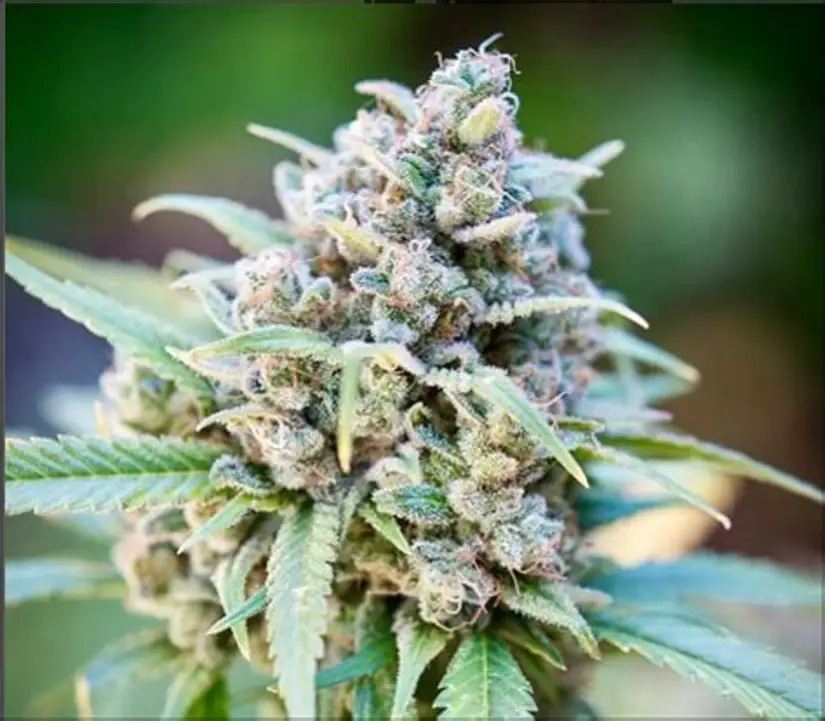
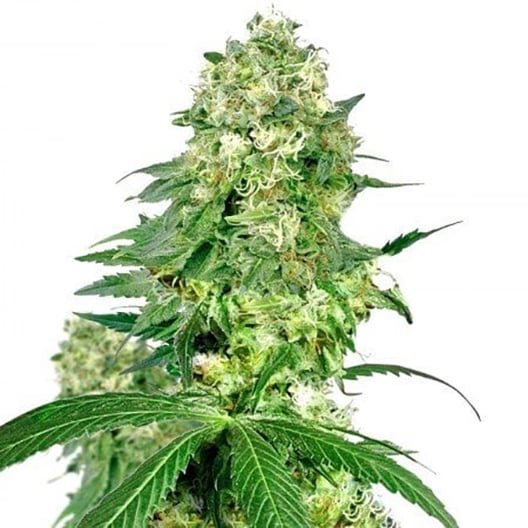
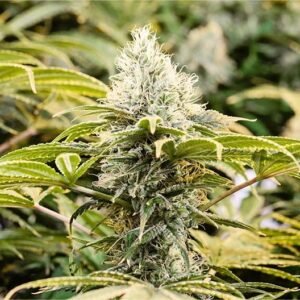
- Yields: While Indoor yields are around 450 grams per square meter, outdoor grows typically produce up to 450 grams per plant. This easy-to-grow strain produces high yields of dense buds. You may have to battle with the potent and pungent smell of this herb, but it is totally worth it come harvest time.
- Harvest: Outdoor growers can plan on harvesting their mighty yields between late September and early October.
Big Buddha Cheese: Creamy and Cheesy
The Big Buddha Cheese terpene profile is directly responsible for how the plant smells and tastes, and the strong effects it has on its users. The most dominant terpene in this strain is caryophyllene, while humulene and myrcene are the secondary terpenes.
- Caryophyllene: Most Dominant – Known as the spicy or peppery terpene, you can find caryophyllene in black pepper, cinnamon, cloves, and cannabis.
- Humulene: Secondary Terpene – Humulene is present in beers with high hop content. This terpene is responsible for the earthy and herbal flavor and aroma in cannabis.
- Myrcene: Mother of All Terpenes – Myrcene is a monoterpene that can be found abundantly in cannabis varieties.
| Breeder | Dutchman Seeds |
|---|---|
| Pack Size | 10 Seeds, 25 Seeds, 3 Seeds, 5 Seeds |
| Cannabis Species | Hybrids |
| Flowering Time | 50-60 days |
| THC | 18% |
| CBD Level | Low (<2%) |
| Terpene Profile | Caryophyllene, Humulene, Myrcene |
| Effects | Happy, Relaxed, Uplifted |
| Yield Indoors (per m²) | Up to 450g/m² |
| Yield Outdoors | Up to 450 gr |
| To Target | Fatigue, Pain, Stress |
| Taste | Cheese, Skunky, Sweet |
| Skill Level | Easy |
| Plant Sex | Feminized |
| Flowering Type | Photoperiod |
| Where to Grow/Cultivate | Indoor/Outdoor |
| Size | Medium |
Related products

Hybrids
Beginner Friendly Seeds


High THC Strains

Beginner Friendly Seeds
Beginner Friendly Seeds
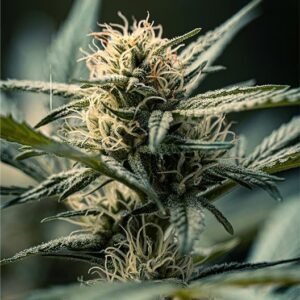
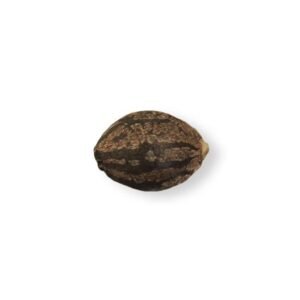
High THC Strains
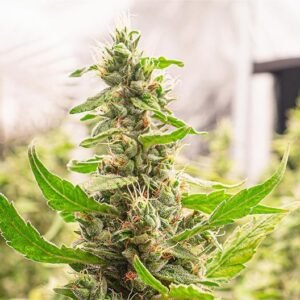
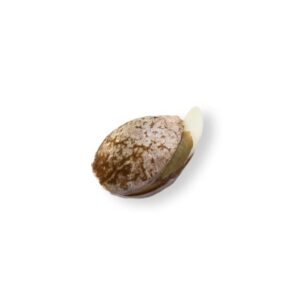
Beginner Friendly Seeds

Beginner Friendly Seeds