
More About the Maple Leaf Strain
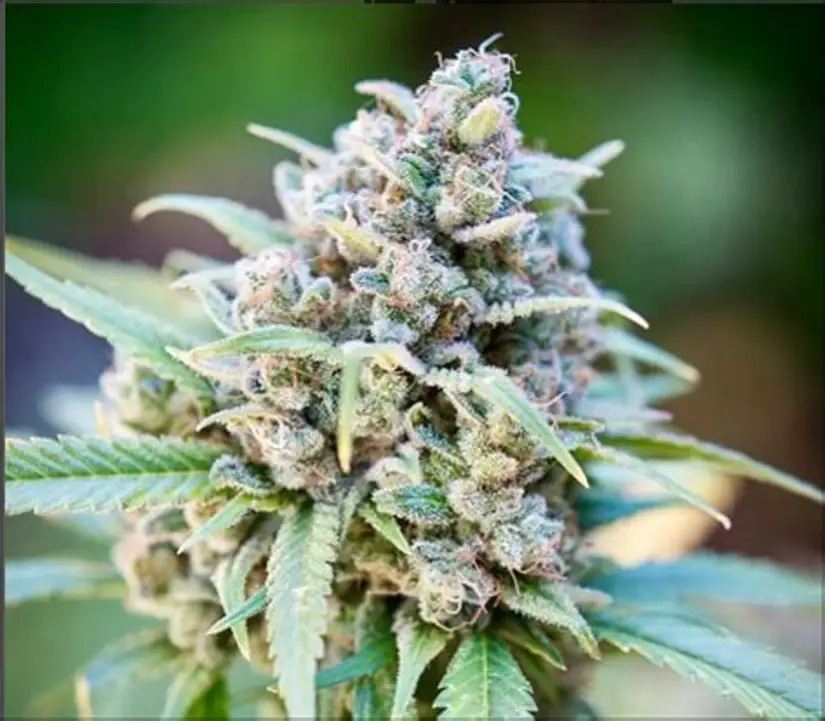
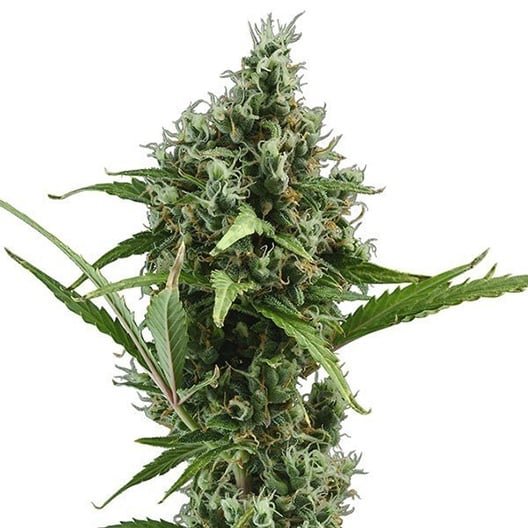
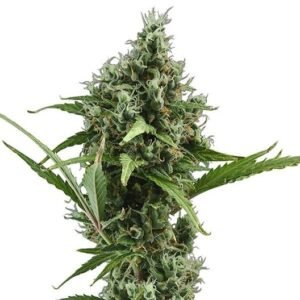
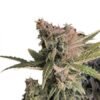
Maple Leaf (aka Maple Leaf Indica) is a classic, old-school indica that wears its roots proudly. Known for its wide, chunky leaves and dense, crystal-heavy buds, this cultivar traces back to the Hindu Kush region of Afghanistan. Its genetics survived a rough stretch of history during the former USSR’s presence in the area during the 1980s, which only adds to its reputation as a tough, time-tested plant.
The flavor leans sweet with a soft citrus edge, backed by an incense-like aroma that feels earthy and grounded rather than loud. It’s the kind of profile that feels calm and familiar, not flashy.
Maple Leaf’s vibe is deeply physical. The body buzz comes on smooth and steady, spreading warmth and relaxation without any rush. Many growers and smokers talk about its sensual edge, making it a popular pick for slow evenings, low lights, and relaxed company. Push it too far and it tends to slide into full shutdown mode, perfect for nights when sleep ends up being the real plan.
For fans of traditional indica cultivars with real history behind them, Maple Leaf Indica still earns its spot in the lineup.
Tips for Growing Maple Leaf
Maple Leaf is an old-school indica that grows the way you’d expect from its Afghan roots. These plants stay short and stocky, with thick stems and broad leaves that can handle a little stress better than fussier cultivars.
Indoors, Maple Leaf does best with steady temps and good airflow. The dense bud structure means humidity control matters, especially late in flower. A simple setup with consistent lighting goes a long way here. This cultivar responds well to light training early on, which helps open up the canopy and keeps those chunky buds evenly developed.
Outdoors, Maple Leaf prefers warm, dry conditions and plenty of sun. It finishes fairly fast for an indica, which makes it a solid option for growers dealing with shorter seasons. Strong branches help support the weight, though some light staking can help once buds start packing on size.
Feeding should stay moderate. Maple Leaf isn’t a heavy eater, and pushing nutrients too hard can slow things down. Keep it clean, keep it stable, and this cultivar tends to reward growers with thick, resin-coated flowers that feel very true to its heritage.
Dominant Terpenes in Maple Leaf
Maple Leaf’s aroma and overall vibe come from a tight trio of classic terpenes that feel very on-brand for an old-school indica.
Myrcene sits at the front. It gives Maple Leaf that deep, earthy sweetness and helps explain the heavy, laid-back body feel people associate with this cultivar. The scent leans herbal and slightly musky, especially once the buds are fully cured.
Pinene adds a lighter layer to the mix. It brings in subtle pine and fresh forest notes that keep the aroma from feeling flat or overly sweet. This terpene is part of what gives Maple Leaf its clean, incense-like smell when the buds are broken up.
Caryophyllene rounds things out with a mild spice. It shows up as a soft peppery edge in both the flavor and aroma, adding depth without overpowering the sweeter and woodier tones.
Together, these terpenes give Maple Leaf a grounded, calming profile that feels classic and familiar, with just enough complexity to keep it interesting.[/vc_column_text][/vc_column][/vc_row][vc_row][vc_column][vc_column_text css=””]
FAQs
[/vc_column_text][vc_toggle title=”Are Maple Leaf seeds indica or hybrid?” css=””]Maple Leaf seeds produce a true indica cultivar with roots in the Hindu Kush region of Afghanistan. The plants stay short, sturdy, and very traditional in structure.[/vc_toggle][vc_toggle title=”What does Maple Leaf smell and taste like?” css=””]The aroma leans sweet and earthy with a light citrus note and an incense-style finish. The flavor follows the same lane and feels smooth rather than sharp.[/vc_toggle][vc_toggle title=”Is Maple Leaf a good choice for indoor growing?” css=””]Yes. Maple Leaf does well indoors thanks to its compact size and strong branching. Good airflow helps manage its dense buds as flowering wraps up.[/vc_toggle][vc_toggle title=”Who usually likes Maple Leaf the most?” css=””]This cultivar tends to appeal to growers and smokers who prefer classic indica genetics, heavy resin production, and a calm, slow-paced experience tied to old-school cannabis lines.[/vc_toggle][/vc_column][/vc_row]| Breeder | Original Harvest Seeds |
|---|---|
| Pack Size | 10 Seeds, 25 Seeds, 3 Seeds, 5 Seeds |
| Cannabis Species | 100% Indica |
| Flowering Time | 55-65 days |
| THC | 19% |
| CBD Level | Low (<2%) |
| Terpene Profile | Caryophyllene, Myrcene, Pinene |
| Effects | Creative, Relaxed, Sleepy |
| Yield Indoors (per m²) | Up to 200 gr |
| Yield Outdoors | Up to 200 gr |
| To Target | Insomnia, Pain, Stress |
| Taste | Berry, Citrus, Woody |
| Plant Sex | Feminized |
| Flowering Type | Photoperiod |
| Where to Grow/Cultivate | Indoor/Outdoor |
| Size | Medium |
| Skill Level | Intermediate |
Related products
Beginner Friendly Seeds

High THC Strains
High THC Strains
Beginner Friendly Seeds
High THC Strains
Autoflower Seeds
Beginner Friendly Seeds
Indica