
Tyson Auto

Price range: $49.99 through $229.99
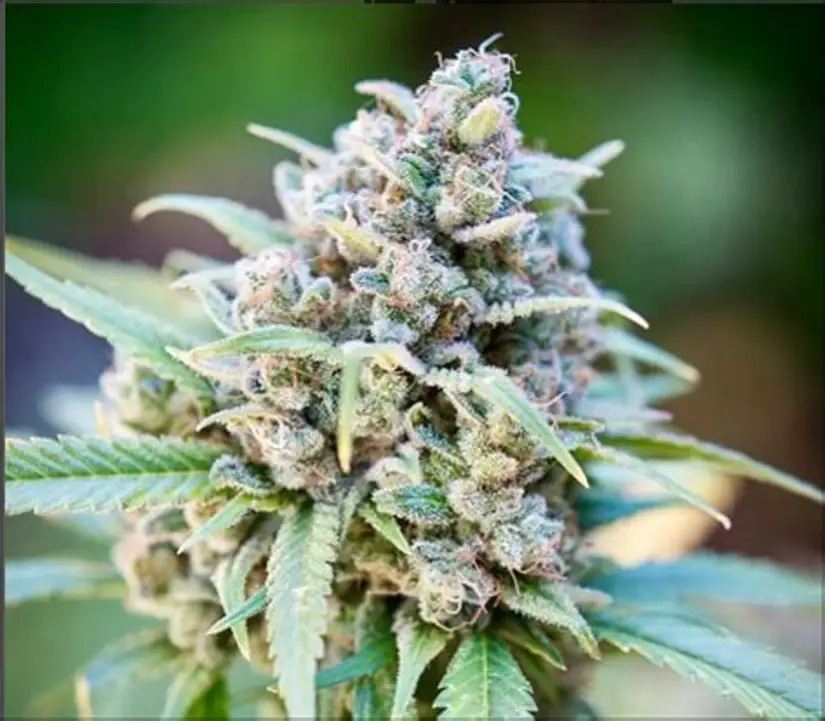
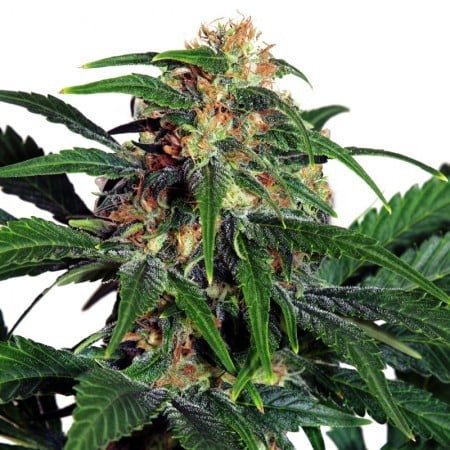
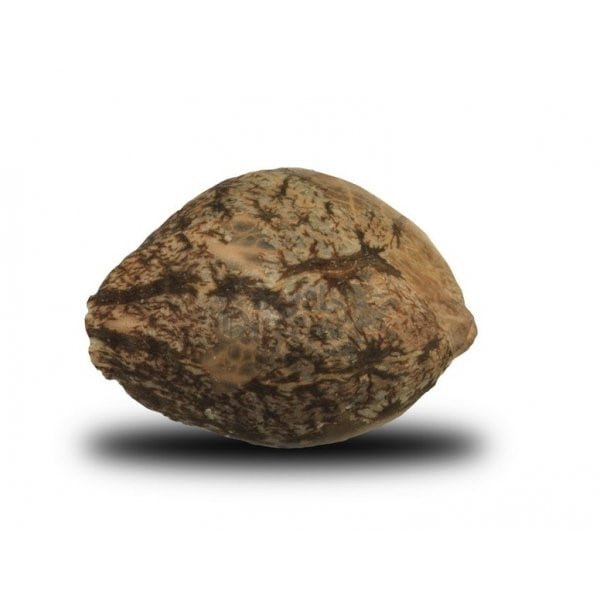
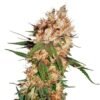
Tyson autoflower seeds do one thing most autoflower seeds only promise: they deliver a true knockout indica on a sprinter’s timeline. The Tyson strain is a 100% pure indica that runs from seed to flower in roughly 50 days, carries a moderate ~12% THC alongside a notably present 3–10% CBD, and comes as autoflowering feminized genetics with a 99.99% feminization rate (Pacific Seed Bank, n.d.). That combination makes it two things at once — a forgiving first grow for beginners who want cannabis seeds that won’t punish a missed light timer, and a fast turnaround run for experienced growers filling the gap between photoperiod cycles. Below you’ll find the strain’s lineage, what it actually feels and tastes like, and a practical grow plan from germination to jar.
What Is the Tyson Strain? Genetics and Lineage
The Tyson strain is a 100% indica bred by Norcal Farms from undisclosed parent cultivars, offered here in autoflowering feminized form. Strain aggregators fill in some of the picture: AllBud lists Tyson as a pure indica descended from OG Kush that served as a dispensary house strain for years, while Leafly classifies it as an indica of unknown cross with diesel-forward flavor. When a breeder keeps lineage close to the chest, the honest move is to describe what the plant does rather than invent a family tree — and what this one does is behave like a classic OG-adjacent indica on a compressed clock.
One clarification, because searchers mix these up constantly. If you arrived here looking for the Mike Tyson strain, you’re in the right genetic neighborhood but should know the map. This Tyson strain — sometimes called Tyson weed strain or simply Tyson seeds — predates and is separate from Tyson 2.0, the cannabis brand Mike Tyson co-founded, which sells its own product line (including “The Toad”) and released Tyson 2.0 seeds through a partnership with Royal Queen Seeds. No affiliation exists between the two, and this page claims none. The mike tyson weed strain nickname stuck to this cultivar for the obvious reason: it hits hard and puts you down.
The “autoflowering” half of the name matters as much as the genetics. Ruderalis-influenced plants flower based on age rather than light schedule — no flip to 12/12, meaning you never have to switch your lights to the 12-hours-on, 12-hours-off cycle that photoperiod plants need to start flowering. That’s why Tyson Auto’s seed-to-flower window lands around 50 days instead of the several months a photoperiod indica demands.
A word on the numbers, because most strain pages chase 25%+ THC and treat anything less as a consolation prize. Tyson Auto’s ~12% THC with a 3–10% CBD range is a feature, not a weakness. That ratio produces a balanced, functional indica — strong enough to matter, cushioned enough to stay pleasant. For a lot of growers, that’s exactly the trich Tyson strain profile they wanted and couldn’t name.
Effects, Flavor, and Terpene Profile
Expect happy, relaxed, and uplifted — in that order. Tyson Auto opens with a mild, agreeable mental lift, then settles into a deeply laid-back, body-forward experience that relaxes rather than flattens you on onset. It settles; it doesn’t ambush. Schedule it for evenings and slow weekends, not before anything that requires your legs to have opinions.
The cannabinoid ratio explains why the ride feels so manageable. The meaningful CBD presence tempers the THC, smoothing out the racy edge that can make stronger indicas feel like too much of a good thing. That’s worth saying plainly: this strain feels gentler than its effects are deep, and the chemistry is the reason.
On flavor, Tyson is loud. Diesel and skunk lead, the overall profile is pungent, and cheesy, spicy undertones sit underneath. If you grow it, your neighbors will have theories — more on odor control in the grow section below.
The terpene trio does real work here. Caryophyllene supplies the peppery spice and is the rare terpene that binds directly to the body’s CB2 receptors, the cannabinoid receptors concentrated in immune tissue rather than the brain. Limonene adds the bright citrus lift hiding behind the diesel. Myrcene lays down the musky, relaxing base — it’s the terpene most associated with cannabis sedation in the literature, though researchers note the sedative evidence is still developing.
How to Grow Tyson Autoflower Seeds
Here’s the spec sheet before the details: flowering in 50–60 days, medium height with a compact, sturdy structure, easy difficulty rating, and equally at home indoors or out. Plan on roughly 8–10 weeks from germination to harvest — the plant flowers fast, but germination, seedling, and a brief veg still take their share of the calendar.
Yields are honest rather than inflated: up to 300 g/m² indoors and up to 300 g per plant outdoors. That’s solid for an auto of this stature, with one caveat worth underlining — the light schedule is forgiving, but yield still rewards light intensity. A weak lamp grows a small plant no matter how easy the genetics are.
Indoors, run 18–20 hours of light daily through the entire cycle. The 18/6 schedule is the most common recommendation because it balances strong growth against heat and power costs while giving the plant a rest period; 20/4 buys slightly faster growth at a higher electric bill. Skip high-stress training entirely — a short-cycle auto doesn’t have time to recover from aggressive topping. If you train at all, use light LST (low-stress training: gently bending and tying down branches to open up the canopy) and do it early. The compact structure makes Tyson Auto a natural fit for tents and other small spaces.
Outdoors, the 50-day cycle changes the math of a season. Because the plant ignores day length, most US climates can fit two to three back-to-back runs between last frost and first frost — start a second round of indica autoflower seeds the day you harvest the first, and a May germination can hand you harvests in July, September, and potentially late October in longer seasons.
Two practical notes that separate a smooth grow from a stressful one. First, odor: that diesel-skunk pungency means a carbon filter is non-negotiable indoors, and outdoor plants belong somewhere discreet and downwind. Second, reassurance for first-timers: autoflowering plus feminized removes the two most common new-grower failure points in one stroke. No light-schedule changes to botch, and with a 99.99% feminization rate, no male plants to identify and cull before they pollinate your sinsemilla — the seedless, unpollinated flower you’re actually trying to produce.
Why Grow Autoflowering Feminized Seeds?
Autoflowering seeds carry ruderalis genetics from wild cannabis populations that evolved near the Arctic Circle, where short summers forced plants to flower on an internal clock instead of waiting for day-length cues. Cross that trait into modern indica seeds and you get plants that flower automatically at a few weeks old, regardless of what your lights are doing.
The benefits are concrete. No photoperiod management means no separate veg and flower rooms, no timer anxiety, and no ruined harvest because a light leak interrupted the dark cycle. Seed-to-harvest is dramatically faster than photoperiod indicas. The compact plants suit tents, balconies, and closets. And the age-based flowering enables staggered or perpetual harvests — new seeds started every few weeks, jars that never run empty.
The trade-offs deserve equal honesty, because they’re real: autoflowers generally yield less per plant than photoperiods, and the fixed timeline leaves little recovery room for stress or training mistakes. A photoperiod plant can be vegged an extra month to outgrow an error; an auto cannot. That’s the deal — you trade ceiling for speed and simplicity.
Within the category, Tyson Auto specifically suits first-time growers who want the most forgiving version of autoflower feminized seeds, stealth and small-space growers who need a plant that stays medium and compact, and anyone who wants functional indica potency with a CBD cushion rather than a THC arms race. If that’s you, browse our autoflowering seeds category, compare it against our other indica seeds, or look at comparable fast indica autos like Northern Lights Auto and Granddaddy Purple Auto.[/vc_column_text][/vc_column][/vc_row][vc_row][vc_column][vc_column_text css=””]
FAQs
[/vc_column_text][vc_toggle title=”Is Tyson Auto feminized, or can it produce male plants?” css=””]Tyson Auto seeds are sold as feminized autoflower seeds, so you’re set up to grow flowering plants without worrying about separating males and females.[/vc_toggle][vc_toggle title=”What does Tyson Auto smell and taste like?” css=””]Expect a loud, classic profile with diesel and skunk up front, plus a pungent finish that sticks around on the nose.[/vc_toggle][vc_toggle title=”How long does Tyson Auto take from seed to harvest?” css=””]As an autoflower, Tyson Auto is bred to move fast and finish in a relatively short window compared to photoperiod cultivars, with timing still depending on your setup and conditions.[/vc_toggle][vc_toggle title=”Is Tyson Auto a good pick for new growers?” css=””]If you’ve grown autoflowers before, it’s a solid option since autos tend to be straightforward and consistent. If you’re brand new, it can still work, just keep things stable and avoid heavy-handed changes mid-grow.[/vc_toggle][/vc_column][/vc_row]| Breeder | Norcal Farms |
|---|---|
| Pack Size | 10 Seeds, 25 Seeds, 3 Seeds, 5 Seeds |
| Cannabis Species | 100% Indica |
| Flowering Time | 50-60 days |
| THC | 12% |
| CBD Level | Moderate (3-10%) |
| Terpene Profile | Caryophyllene, Limonene, Myrcene |
| Effects | Happy, Relaxed, Uplifted |
| Yield Indoors (per m²) | Up to 300g/m² |
| Yield Outdoors | Up to 300 gr |
| To Target | Insomnia, Lack of Appetite, Stress |
| Taste | Pungent, Skunky, Sweet |
| Skill Level | Easy |
| Plant Sex | Auto-flowering Feminized |
| Flowering Type | Automatic |
| Where to Grow/Cultivate | Indoor/Outdoor |
| Size | Medium |
Related products

Autoflower Seeds

Autoflower Seeds
Autoflower Seeds
Autoflower Seeds
Autoflower Seeds

Autoflower Seeds

Autoflower Seeds
Autoflower Seeds