



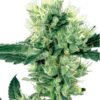
Growing Tips for Ambrosia Seeds
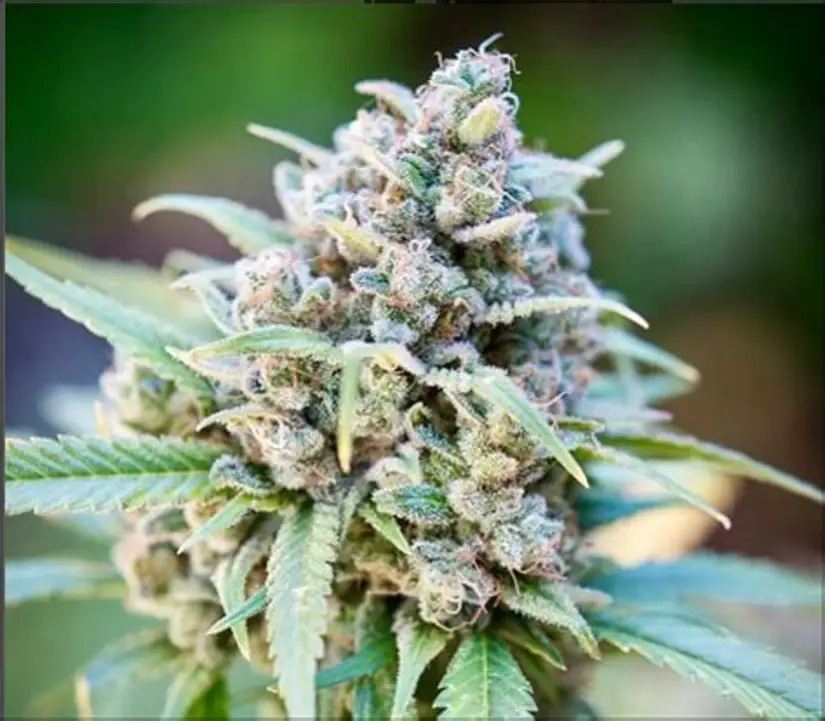
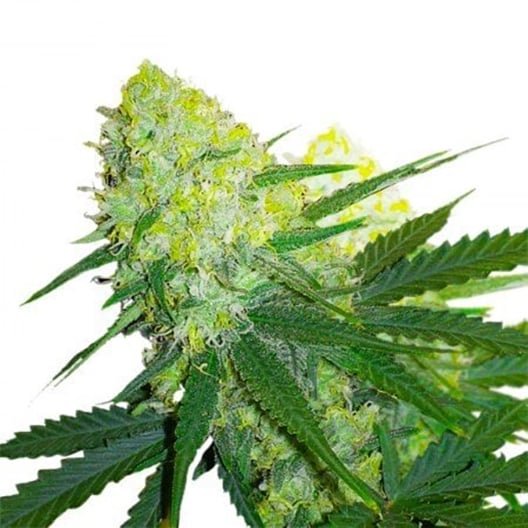
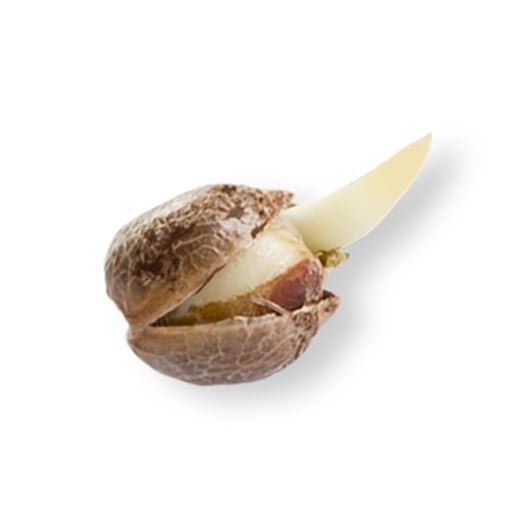
Ambrosia seeds are challenging to grow, especially if you don’t have any prior cultivation experience. The strain prefers warm weather with plenty of sunlight and tends to grow better in outdoor setups where the desired climate can be reached every day. Indoor growers will need nutrient-rich soil, ample lighting, and the correct humidity and temperature to produce the average yields and large buds that Ambrosia is known for. Providing a consistent temperature range of 68-78 degrees Fahrenheit and ensuring relative humidity levels stay around 35-55% during flowering are critical for optimal growth. Outdoor cultivation requires a warm, semi-humid climate to produce bud-rich plants. Use Low-stress training (LST) or the Screen of Green methods to help increase your yields come harvest time. These techniques require adjusting the canopy of your plant so that ample light and air reach the bottom levels. You will also need to reinforce the bigger buds near the top of the plant so that they don’t break or bend the branches. Each of these methods is easy to do and requires maintenance and attention to complete correctly. In the vegetative stage, you should provide 18-20 hours of light each day. Changing the light cycle to a 12/12 cycle will get you through the flowering stage of growth and into your harvest.
Yields, Flowering Time, and Harvest
- Flowering Time: Growing indoors, you can expect the Ambrosia strain to harvest after a flowering period of 50-60 days.
- Yields: While Indoor yields are around 450 grams per square meter, outdoor grows typically produce up to 500 grams per plant. These yields require the right temperature and humidity, as well as ample sunlight to reach their peak.
- Harvest: Grown outside, it should be ready to harvest in the middle of October.
Ambrosia Terpenes: Lavender and Pineapple
The Ambrosia terpene profile is directly responsible for how the plant smells and tastes, and the strong effects it has on its users. The most dominant terpene in this strain is myrcene, while pinene and caryophyllene are secondary terpenes.
- Myrcene: Most Dominant – Often called the “Mother of all Terpenes”, myrcene gives cannabis its earthy and woody flavor and aroma.
- Pinene: Secondary Terpene – Pinene is the terpene found in pine needles and conifer trees. It gives marijuana its pine-like and earthy flavors and aroma.
- Caryophyllene: Peppery and Spicy – Caryophyllene can be found in black pepper, cinnamon, and cloves, as well as marijuana.
| Breeder | Mendocino Farms |
|---|---|
| Pack Size | 10 Seeds, 25 Seeds, 3 Seeds, 5 Seeds |
| Cannabis Species | Hybrids |
| Genetics | 40% Sativa/60% Indica |
| Flowering Time | 50-60 days |
| THC | 16% |
| CBD Level | Low (<2%) |
| Terpene Profile | Caryophyllene, Myrcene, Pinene |
| Effects | Creative, Euphoric, Focused |
| Yield Indoors (per m²) | Up to 450g/m² |
| Yield Outdoors | Up to 500 gr |
| To Target | Depression, Pain |
| Taste | Flowery, Fruity, Herbal |
| Skill Level | Intermediate |
| Plant Sex | Feminized |
| Flowering Type | Photoperiod |
| Where to Grow/Cultivate | Indoor/Outdoor |
| Size | Medium |
Related products

High THC Strains
High THC Strains
Beginner Friendly Seeds
High THC Strains
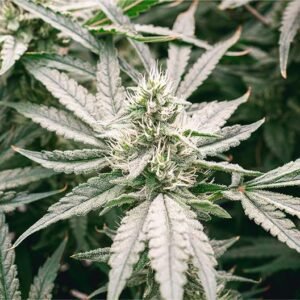
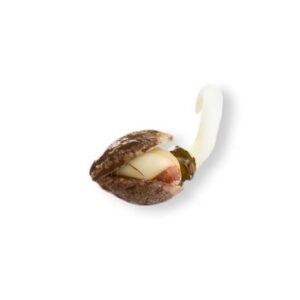
Beginner Friendly Seeds
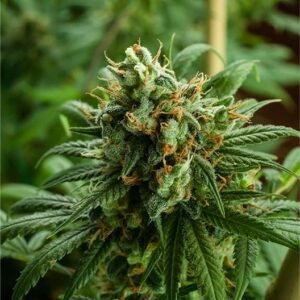

Beginner Friendly Seeds
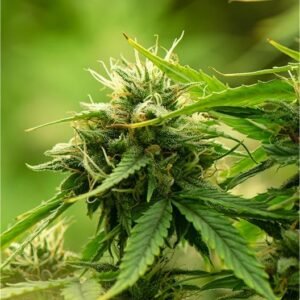
Beginner Friendly Seeds
High THC Strains