Growing Tips for Amethyst Seeds
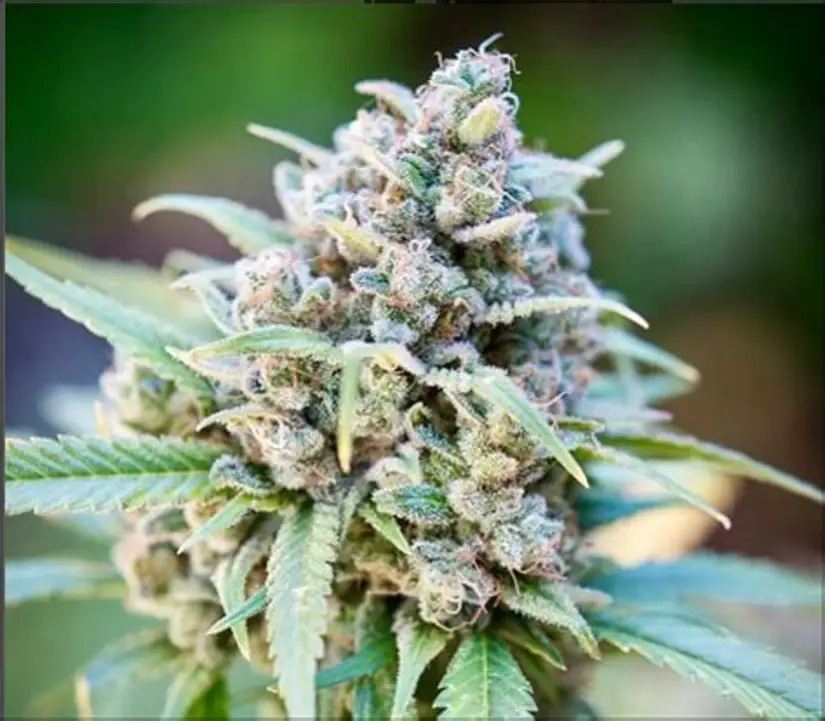
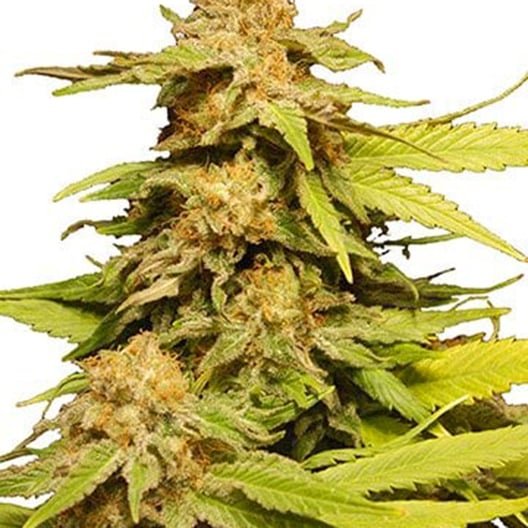
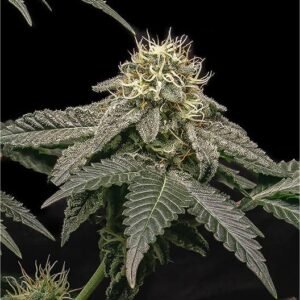
Amethyst seeds are easy to grow, even if you don’t have a ton of experience bringing cannabis to harvest. When planning your grow, you will need to consider that these plants grow taller than most, especially outdoors. This strain was originally grown in Washington state, so it will require similar weather and an environment that resembles that of Washington in the summer. Indoor growers will need nutrient-rich soil, ample lighting, and the correct humidity and temperature to produce favorable yields. Providing a consistent temperature range of 64-79 degrees Fahrenheit and ensuring relative humidity levels stay around 40% during flowering are critical for optimal growth. Outdoor cultivation requires a warm climate to produce bud-rich plants. Use Low-stress training (LST), topping, and High-stress training (HST) methods to help increase your yields come harvest time. Each of these techniques requires routine maintenance to ensure you reach the highest yields possible. In the vegetative stage, you should provide 18-20 hours of light each day. Changing the light cycle to a 12/12 cycle will get you through the flowering stage of growth and into your harvest.
Yields, Flowering Time, and Harvest
- Flowering Time: Growing indoors, you can expect the Amethyst strain to harvest after a flowering period of 60-70 days.
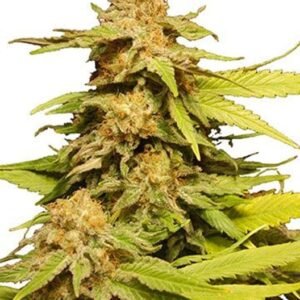
- Yields: While Indoor yields are around 400 grams per square meter, outdoor grows typically produce up to 400 grams per plant. For first-time growers, these yields are pretty great. The buds on these plants are huge and rich in THC and should provide the grower with lots of potent marijuana once the nuggets are harvested.
- Harvest: Grown outside, it should be ready to harvest towards the end of October.
Amethyst Terpenes: Sweet and Sour
The Amethyst terpene profile is directly responsible for how the plant smells and tastes, and the strong effects it has on its users. The most dominant terpene in this strain is myrcene, while caryophyllene, linalool, and limonene are secondary terpenes.
- Myrcene: Most Dominant – Often called the “Mother of all Terpenes”, myrcene gives cannabis its earthy and woody flavor and aroma.
- Caryophyllene: Secondary Terpene – This terpene provides a spicy and peppery flavor and aroma when found in cannabis. You can also find it in black pepper and cinnamon.
- Linalool: Key Player – Adds to the calming effects of cannabis. Linalool can be found in several different marijuana varieties.
- Limonene: Citrus Notes – This terpene is commonly found in the rinds of citrus fruits and can help with anxiety as well as improve lung function.
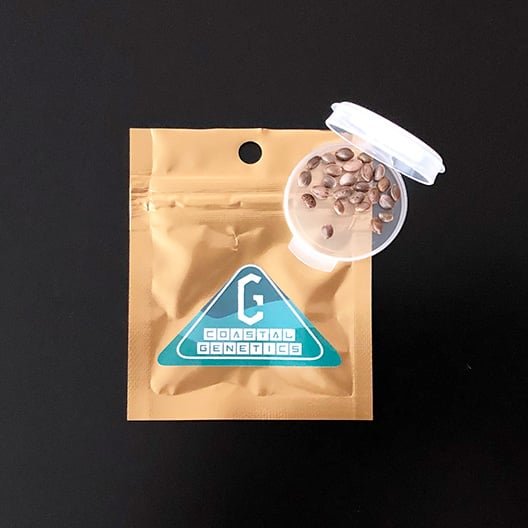
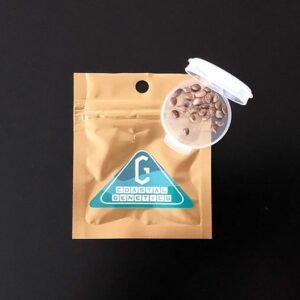
| Breeder | Coastal Genetics |
|---|---|
| Pack Size | 10 Seeds, 25 Seeds, 3 Seeds, 5 Seeds |
| Cannabis Species | Hybrids |
| Flowering Time | 60-70 days |
| THC | 21% |
| CBD Level | Low (<2%) |
| Terpene Profile | Caryophyllene, Limonene, Linalool, Myrcene |
| Effects | Giggly, Happy, Relaxed |
| Yield Indoors (per m²) | Up to 400g/m² |
| Yield Outdoors | Up to 400 gr |
| To Target | Depression, Pain, Stress |
| Taste | Grape, Sour, Sweet |
| Plant Sex | Feminized |
| Flowering Type | Photoperiod |
| Where to Grow/Cultivate | Indoor/Outdoor |
| Size | Tall |
| Skill Level | Easy |
Related products

High THC Strains


Autoflower Seeds
Beginner Friendly Seeds
Beginner Friendly Seeds
Beginner Friendly Seeds
High THC Strains
Beginner Friendly Seeds

Beginner Friendly Seeds