


More About the Dutch Treat Strain
Dutch Treat is a classic hybrid cultivar with roots that trace back to Amsterdam coffee shop culture and later found a long term home in the Pacific Northwest. It is commonly linked to a pairing of Northern Lights and Haze genetics, which explains its mix of bright energy and grounded body vibes.
This cultivar is known for a smooth balance that feels social and upbeat without tipping too far into sleepy territory. Many people describe the experience as clear headed and happy, with a light body calm that keeps things comfortable rather than heavy. It is often picked for daytime or early evening sessions when you still want to be engaged.
Flavor wise, Dutch Treat leans sweet and earthy with hints of pine and a subtle sugar like finish. Some phenotypes bring out a little spice or herbal edge, especially on the exhale. The aroma usually carries that same sweet pine note that lingers in the room.
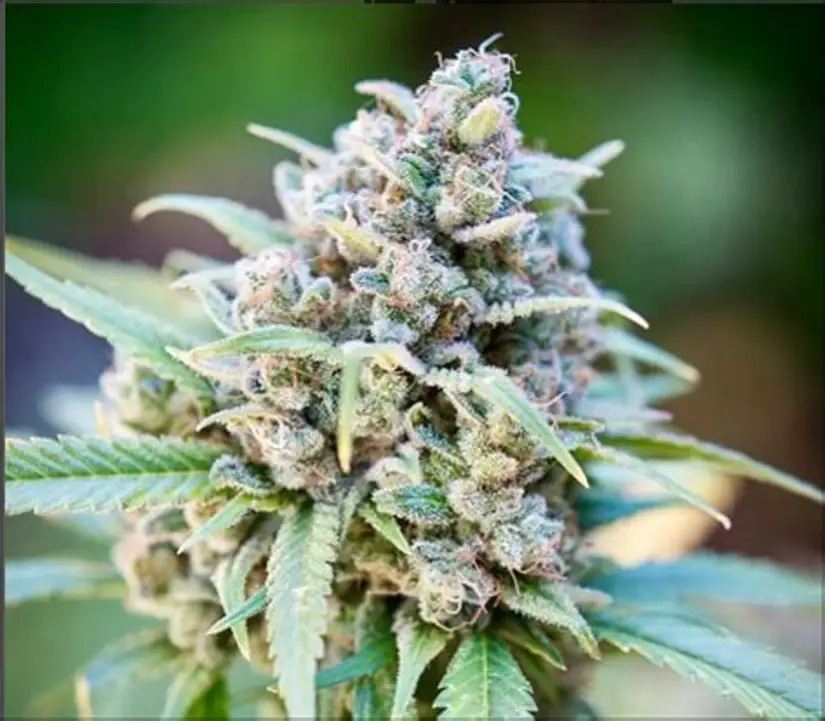
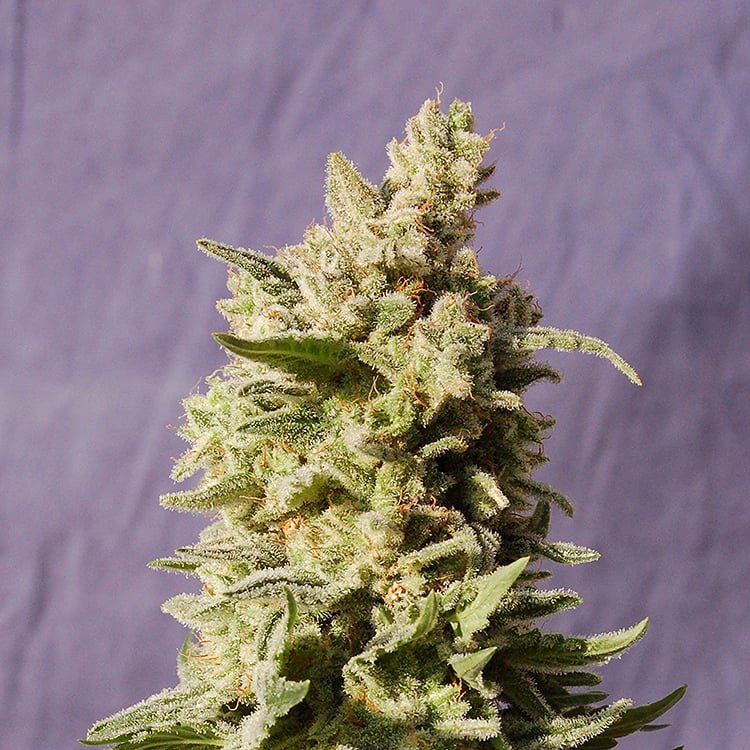
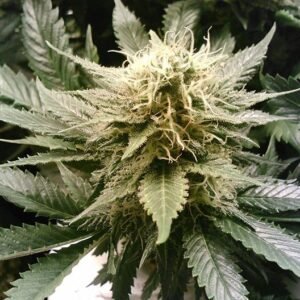
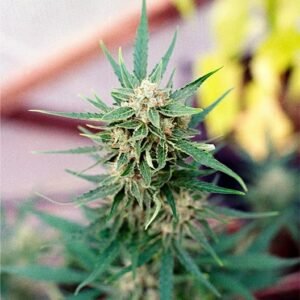
From a plant perspective, Dutch Treat tends to grow with a sturdy hybrid structure and moderate stretch. Buds are dense, resin coated, and usually show off bright green tones with plenty of trichome coverage. It has earned a reputation as a reliable, no nonsense cultivar that stays popular year after year for a reason.
Growing Tips for Dutch Treat
Dutch Treat is easy to grow, even if you have no prior cannabis cultivation experience. Dutch Treat marijuana plants will thrive indoors and outdoors, but have an easier time growing indoors because of the ability to completely control the climate. If you choose to grow indoors, you will have to replicate a steady environment similar to the climate of the Mediterranean.
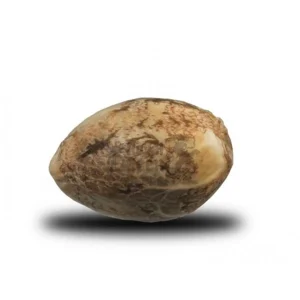
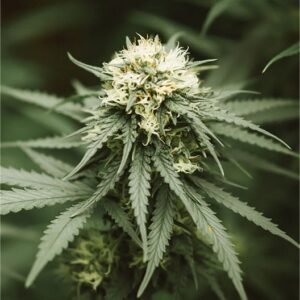
Dutch Treat cannabis seeds produce plants with frosty, cone-shaped buds with small orange pistils. If you choose to grow outdoors, you will need to hope for consistent temperature and humidity to grow these plants to completion. Doing so will ensure that you grow healthy buds from the top of the plants to the buds closest to the soil. Having access to a greenhouse is the best way to give these plants the perfect outdoor climate without having to put up with unexpected outdoor variables.
These plants grow to a medium height and can reach around 3-5 feet tall. Because the plants reach a maximum indoor and outdoor height of 5 feet, they can be grown in smaller grow setups like gardens or balconies.
The ideal temperature for these plants is around 68-80 degrees Fahrenheit and slightly cooler at night. Humidity levels should be kept around 40-70% during the vegetative growth stage and the flowering stage, but lowering the humidity every week will help this plant grow. Growing indoors will ensure that the moderate humidity levels and moderate temperatures are consistent and maintained every day that the plants are in the growing stages.
Topping and Low-stress training (LST) methods are the most beneficial methods for this strain. If performed correctly, these techniques will help to increase the overall yields and improve bud production. Both of these methods will help the plant to hit its peak by adjusting the canopy so more light and air reach the lowest levels of the plant. The Dutch Treat strain requires an 18-20 hour light cycle to reach the vegetative growth stage. This strain requires a change in the light cycle to induce the flowering stage. A 12/12 cycle should do the trick!
Yields, Flowering Time, and Harvest
- Flowering Time: Growing indoors, you can expect the Dutch Treat strain to harvest after a short flowering period of 55-65 days.
- Yields: While Indoor yields are around 300 grams per square meter, outdoor grows typically produce up to 200 grams per plant. These smaller plants produce smaller harvests, but you can increase the yields by planting multiple plants at one time.
- Harvest: Outdoor growers can plan on harvesting their yields around the middle of October, depending on when the seeds were planted.
Dutch Treat: Spicy and Sweet
The Dutch Treat cannabis strain terpene profile is directly responsible for how the plant smells and tastes, and the strong effects it has on its users. The most dominant terpene in this strain is myrcene, while ocimene and terpinolene are the secondary terpenes.
- Myrcene: Most Dominant – Myrcene is responsible for some cannabis strains’ earthy and woody flavor and aroma.
- Ocimene: Secondary Terpene – Found in cannabis plants, basil, mint, parsley, and mangoes, this terpene is aromatic and sweet.
- Terpinolene: Smell and Taste – Terpinolene plays a key role in how cannabis smells and tastes. It produces notes of pine, herbs, flowers, and citrus.
FAQs
[/vc_column_text][vc_toggle title=”Is Dutch Treat more indica or sativa?” css=””]Dutch Treat is usually described as a balanced hybrid. It blends a clear, upbeat headspace with a mild body calm, so it does not feel overly racy or overly heavy.[/vc_toggle][vc_toggle title=”What does Dutch Treat taste like?” css=””]Most people describe the flavor as sweet and earthy with pine notes. Some phenotypes bring out a light herbal or slightly spicy finish, especially on the exhale.[/vc_toggle][vc_toggle title=”When do people usually choose Dutch Treat?” css=””]It is commonly picked for daytime or early evening use. The experience tends to feel social and clear headed, which makes it a popular choice for staying engaged without feeling wiped out.[/vc_toggle][/vc_column][/vc_row]| Breeder | Original Kush |
|---|---|
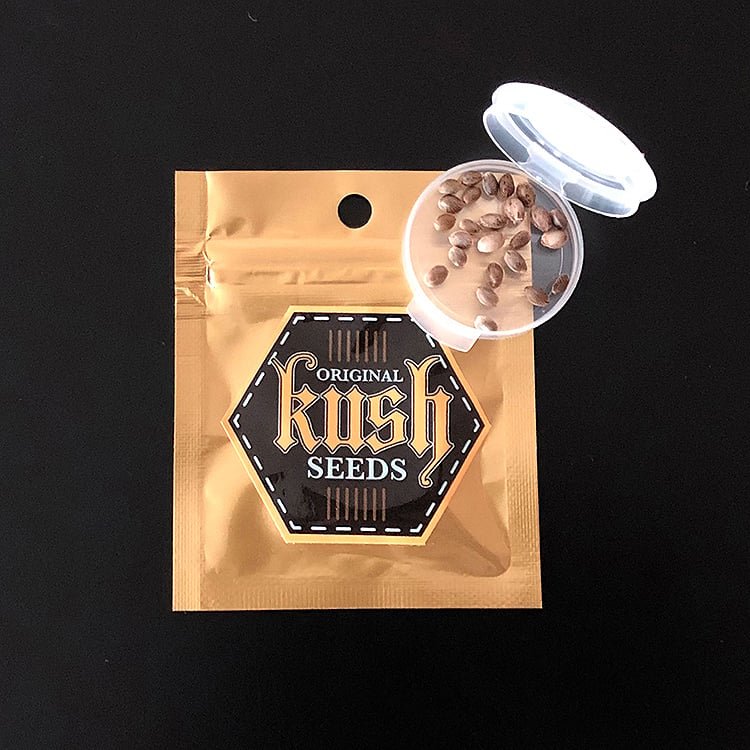
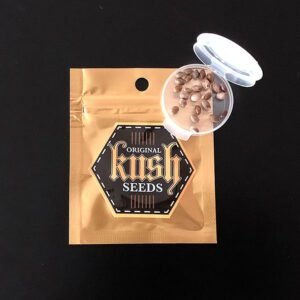
| Pack Size | 10 Seeds, 25 Seeds, 3 Seeds, 5 Seeds |
| Cannabis Species | 100% Indica |
| Genetics | 80% Indica/20% Sativa |
| Flowering Time | 55-65 days |
| THC | 24% |
| CBD Level | Low (<2%) |
| Effects | Energized, Euphoric, Happy |
| Terpene Profile | Myrcene, Ocimene, Terpinolene |
| Yield Indoors (per m²) | Up to 300g/m² |
| Yield Outdoors | Up to 200 gr |
| To Target | Insomnia, Pain, Stress |
| Taste | Pine, Spicy, Sweet |
| Skill Level | Easy |
| Plant Sex | Feminized |
| Flowering Type | Photoperiod |
| Where to Grow/Cultivate | Indoor/Outdoor |
| Size | Short |
Related products
High THC Strains

High THC Strains

High THC Strains

Beginner Friendly Seeds


Autoflower Seeds
Beginner Friendly Seeds
Beginner Friendly Seeds

Beginner Friendly Seeds