

Growing Tips for Athabasca CBD
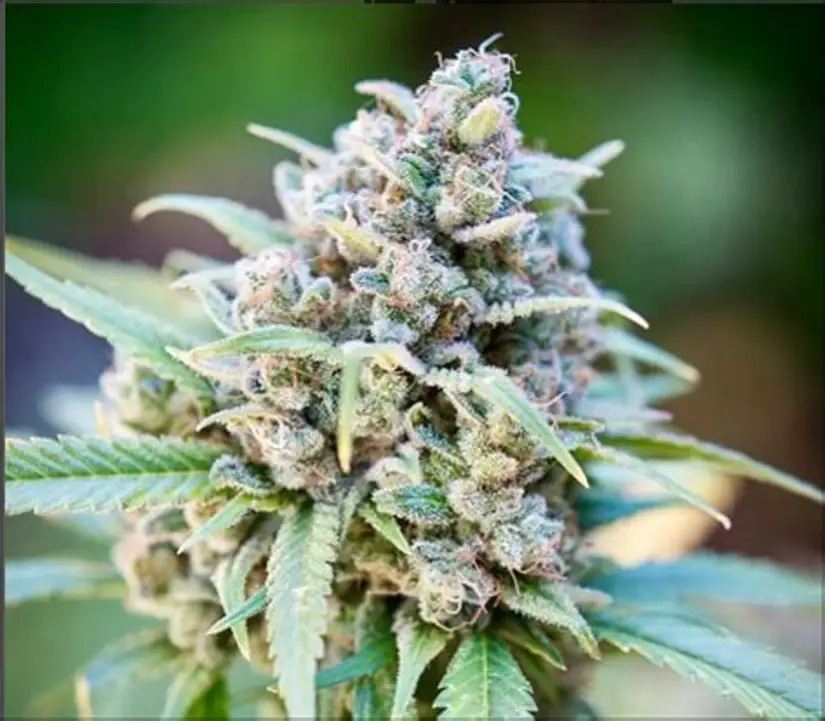
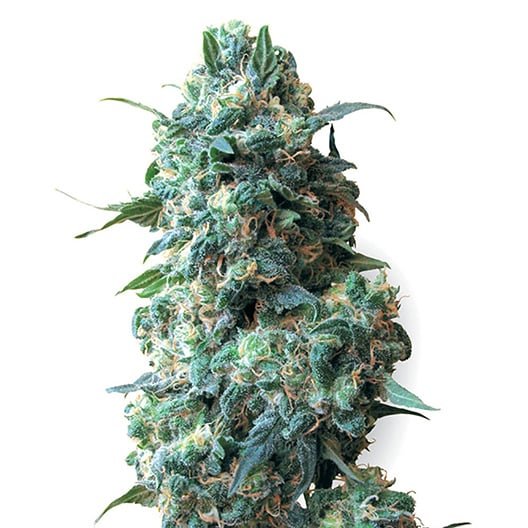
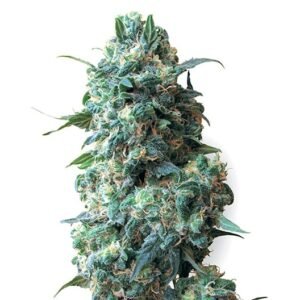
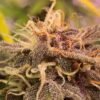
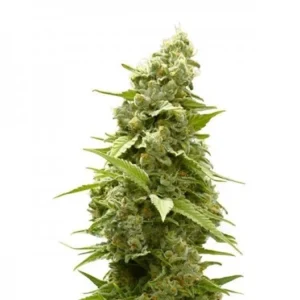
Athabasca CBD is a tricky strain to grow, and should only be taken on by experienced cultivators. Athabasca CBD marijuana plants will thrive both indoors and outdoors, but have an easier time growing indoors because of the horticulturist’s ability to control the climate. If you choose to grow indoors, you will have to replicate a steady environment similar to the climate of Canada in the summertime. Athabasca CBD produces pale green, dusty buds that are rich in resinous trichomes. If you are going to grow outdoors, you will need to maintain a consistent temperature and humidity to get these plants to harvest. Having access to a greenhouse is the best way to give these plants the perfect outdoor climate they require without having to put up with unexpected outdoor variables. These plants grow small to medium in height and only reach a maximum outdoor height of 4-5 feet. Indoors, the plants should stay around 3-4 feet tall, making them easy to control while taking less time to trim and prune. The ideal temperature for these plants is around 68-78 degrees Fahrenheit, and they are versatile enough to withstand lower temperatures at night. Humidity levels should be kept at 30-50% during the vegetative and flowering growth stages. Growing indoors will ensure that the moderate humidity levels and temperature are maintained every day that the plants are in the growing stages. Low-stress training (LST) and the Screen of Green (ScrOG) methods are the best training techniques for the specific strain of cannabis. These methods help control the canopy while also reinforcing the heaviest buds with a screen so they don’t bend or break the limbs of the plant. The Athabasca CBD strain requires an 18-hour light cycle to reach the vegetative stage of growth. Changing the light cycle to a 12/12 cycle will induce the flowering stage and help take this plant from flowering to harvest without other major changes.
Yields, Flowering Time, and Harvest
- Flowering Time: Growing indoors, you can expect the Athabasca CBD strain to harvest after a short flowering period of 55-65 days.
- Yields: While Indoor yields are around 350 grams per square meter, outdoor grows typically produce up to 400 grams per plant. The yields of this strain are pretty solid considering that Athabasca is a high-CBD cultivar. You get more bang for your buck with this strain because you can use less of it and get the same desired effects.
- Harvest: Outdoor growers can plan on harvesting their yields around the beginning of October, depending on when the seeds were planted.
Athabasca CBD: High CBD, Low THC
The Athabasca CBD terpene profile is directly responsible for how the plant smells and tastes, and the strong effects it has on its users. The most dominant terpene in this strain is eucalyptol, while nerolidol and phellandrene are the secondary terpenes.
- Eucalyptol: Most Dominant – Found in cannabis plants as well as eucalyptus, rosemary, and bay leaves, this terpene gives weed a spicy and minty flavor and aroma profile.
- Nerolidol: Secondary Terpene – This terpene has a unique floral scent and can also be found in jasmine, lavender, and tea tree.
- Phellandrene: Naturally Occurring – When found in cannabis, phellandrene is known for having a woody, minty, and sometimes citrusy scent. It can also be found in plants like eucalyptus and is a secondary terpene when found in c
| Breeder | CBD Depot |
|---|---|
| Pack Size | 10 Seeds, 25 Seeds, 3 Seeds, 5 Seeds |
| Cannabis Species | 100% Indica |
| Flowering Time | 55-65 days |
| THC | 8% |
| CBD Level | High (10%+) |
| Terpene Profile | Eucalyptol, Nerolidol, Phellandrene |
| Effects | Happy, Relaxed, Uplifted |
| Yield Indoors (per m²) | Up to 350g/m² |
| Yield Outdoors | Up to 400 gr |
| To Target | Depression, Headaches, Stress |
| Taste | Berry, Fruity, Peppery |
| Plant Sex | Feminized |
| Flowering Type | Photoperiod |
| Where to Grow/Cultivate | Indoor/Outdoor |
| Size | Medium |
| Skill Level | Intermediate |
Related products
Hybrids
Beginner Friendly Seeds
Beginner Friendly Seeds
High THC Strains
High THC Strains
Indica

Autoflower Seeds
High THC Strains