Scott’s OG Seeds
Price range: $33.52 through $214.19
Scott’s OG seeds produce an indica-dominant OG cultivar with dense, trichome-heavy buds and a classic earthy lemon aroma. Built from Triangle Kush and Rare Dankness #1 genetics, this cultivar leans strong, making it a solid pick for growers who like bold OG flavor and potency.
More About the Scott’s OG Strain
Scott’s OG is an indica-dominant hybrid cultivar with deep OG roots and a reputation that leans toward experienced consumers. Bred by Rare Dankness Seeds, this cultivar comes from a cross of Triangle Kush and Rare Dankness #1, creating a classic OG profile with extra weight behind it.
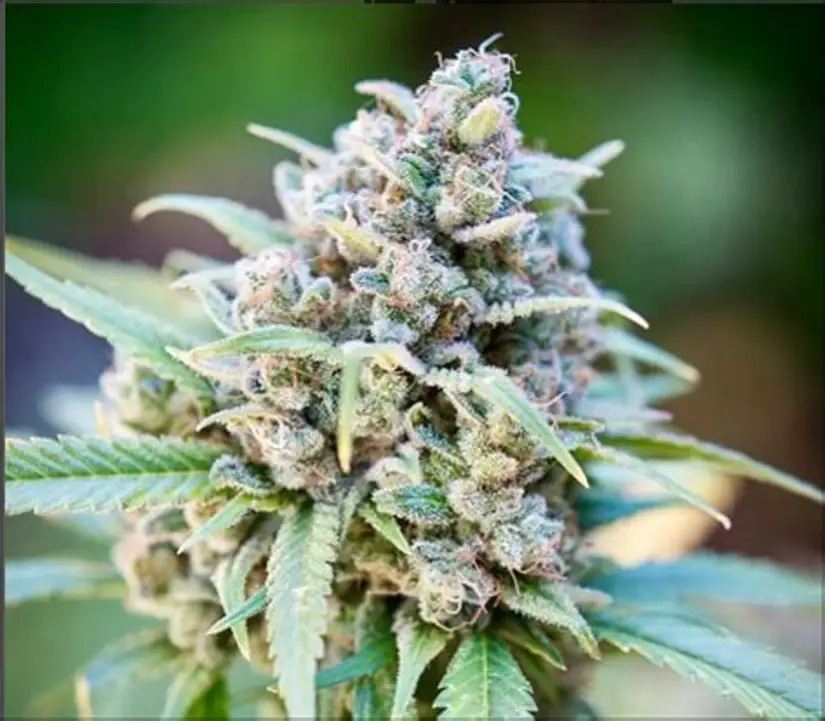
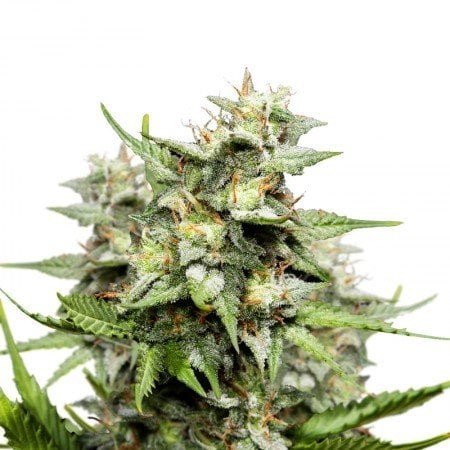
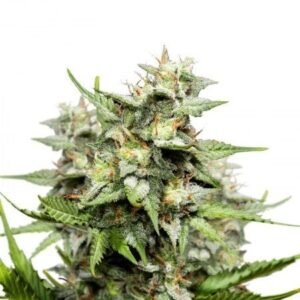
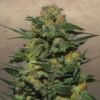
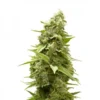
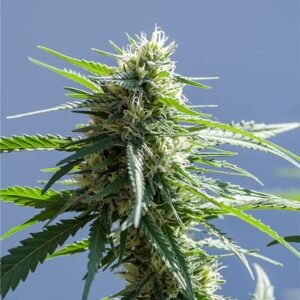
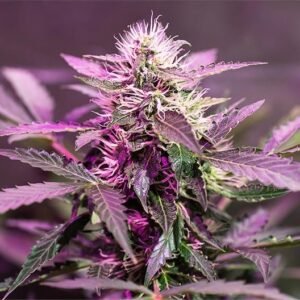
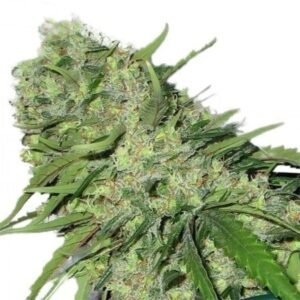
The buds arrive dense and sticky, wrapped in a thick layer of crystal trichomes that give them a frosted, almost fur-coated look. That visual alone hints at what’s coming. THC levels hover around 22 percent, with a touch of CBG in the mix, making Scott’s OG feel intense and long-lasting for many people.
Aroma stays true to OG tradition. Expect earthy and sour notes up front, followed by lemon and light honey tones that round things out. The flavor follows the same path, landing smooth yet sharp with a citrus finish that sticks around.
Scott’s OG is known for heavy relaxation paired with a strong wave of euphoria. It tends to hit fast and doesn’t pull punches, which is why it’s often described as better suited for seasoned consumers rather than casual ones. For fans of loud OG cultivars with real presence, Scott’s OG fits right into that rotation.
Growing Tips for Scott’s OG
Scott’s OG is better suited for growers who already have some experience under their belt. This cultivar likes a stable environment and tends to perform best indoors where temperature, airflow, and humidity stay consistent. The plants usually grow sturdy and compact, but the buds pack on serious weight, so light support late in flower can help keep branches from sagging. Keeping nutrients balanced and avoiding overfeeding goes a long way here, since Scott’s OG responds best to a steady, hands-on approach rather than aggressive pushes.
Dominant Terpenes in Scott’s OG
Scott’s OG tends to lean on a classic OG terp lineup, with myrcene, limonene, and beta caryophyllene showing up as the dominant players. Myrcene usually drives the earthy, kush-forward base, limonene brings the sharp lemon note that brightens the profile, and beta caryophyllene adds a peppery edge that gives the aroma some bite. Depending on the phenotype, small amounts of pinene and humulene can surface, adding subtle pine and herbal tones that round out the overall scent and flavor.[/vc_column_text][/vc_column][/vc_row][vc_row][vc_column][vc_column_text css=””]
FAQs
[/vc_column_text][vc_toggle title=”Is Scott’s OG a good choice for beginner growers?” css=””]Scott’s OG is usually a better fit for growers with at least a little experience. It likes a steady indoor environment and tends to reward consistent temps, airflow, and a clean feeding routine.[/vc_toggle][vc_toggle title=”What does Scott’s OG smell and taste like?” css=””]Expect that classic OG vibe with earthy, sour notes up front, then a brighter lemon edge and a touch of sweetness that can read as honey on the finish.[/vc_toggle][vc_toggle title=”Are Scott’s OG seeds feminized?” css=””]Pacific Seed Bank typically offers feminized seeds across many of its cultivars, and Scott’s OG is listed as a feminized option when available, so you can plan on female plants from seed.[/vc_toggle][/vc_column][/vc_row]| Breeder | Willits |
|---|---|
| Pack Size | 10 Seeds, 25 Seeds, 3 Seeds, 5 Seeds |
| Cannabis Species | 100% Indica |
| Genetics | 80% Indica/20% Sativa |
| Flowering Time | 60-70 days |
| THC | 26% |
| CBD Level | Low (<2%) |
| Terpene Profile | Limonene, Myrcene, Pinene |
| Effects | Happy, Relaxed, Sleepy |
| Yield Indoors (per m²) | Up to 450g/m² |
| Yield Outdoors | Up to 550 gr |
| To Target | Insomnia, Pain, Stress |
| Taste | Citrus, Earthy, Pine |
| Skill Level | Easy |
| Plant Sex | Feminized |
| Flowering Type | Photoperiod |
| Where to Grow/Cultivate | Indoor/Outdoor |
| Size | Medium |
Related products
Beginner Friendly Seeds
Indica
Beginner Friendly Seeds


Autoflower Seeds
Beginner Friendly Seeds
Indica
High THC Strains
Beginner Friendly Seeds