
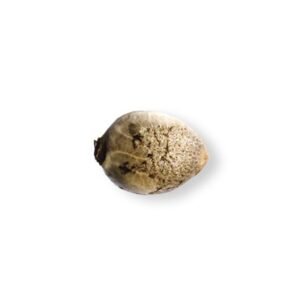

Banana Pudding Seeds


Price range: $33.85 through $214.47
Banana Pudding blends Girl Scout Cookies and Banana OG into a blissful, 31% THC hybrid. A 2010s dessert strain, it hails from the Sunshine State and brings with it a chill sense of optimism. Its nimble flowering time and generous yields also make Banana Pudding seeds a solid pick for growers who prefer efficient, nighttime cultivars.
- THC levels up to 31%
- 70% indica 30% sativa
- Relaxing, sleepy, uplifting
- Total time from flowering stage to harvest: 55–65 days
- Growing experience level: Intermediate
Banana Pudding: A Dessert-Inspired Cali Hybrid
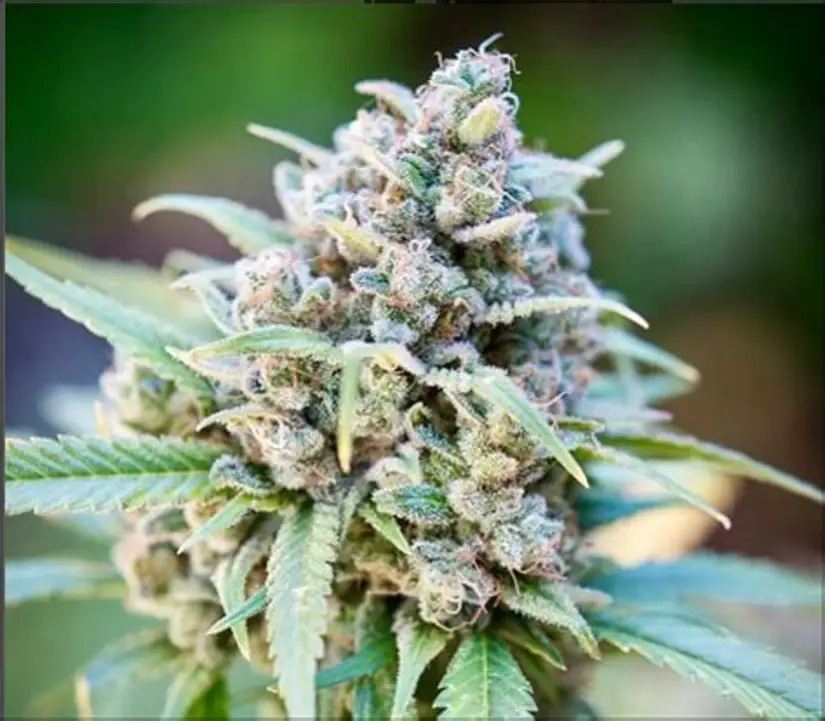
Banana Pudding was created by crossing two legends: Girl Scout Cookies and Banana OG. The result is a 70% indica, 30% strain known for its exceptional potency and distinct, fruity flavor.
Banana Pudding’s 31% THC content places it in a class of its own. These levels fall solidly within the upper range, even among other high-potency strains. As such, this pick is a major hit with growers who prefer psychoactive effects cranked to level ten. It’s known to produce an instant hit of euphoria alongside an altered perception of space and time. This hybrid’s indica dominance only improves the supercharged high, making for a smoke that’s physically relaxing yet mind-bending all at once.
Fans also appreciate this strain’s dessert-like profile and the way its flavors only add to the smoking experience. Banana, vanilla, and cream notes delight the senses, offering a decadent spin on old-school intensity. Add all these factors up, and it makes sense why Banana Pudding seeds are an especially big hit among growers who prefer their dessert strains with a side of real, psychoactive weight.
How to Grow Banana Pudding
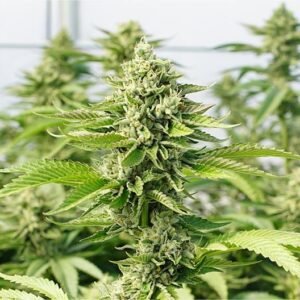
As an indica-dominant strain, Banana Pudding produces heavy, resinous buds with a compact structure. While these traits are the very thing that produce this strain’s intense high, their denser structure can sometimes require a bit of extra care. Below, we’ve highlighted a few easy-to-follow tips for growers of all skill levels.
Temperatures
Banana Pudding performs best under consistent temperatures. During the vegetative stage, growers are encouraged to aim for 72-79 degrees Fahrenheit (22-26 degrees Celsius) and a slightly cooler atmosphere of 64-72 degrees Fahrenheit (18–22 degrees Celsius) at night. These levels will help support your plants’ development while avoiding the unnecessary stress that can often come with excess heat or chilly temperatures.
Humidity levels
Your plants will typically respond best to humidity levels around 45–55% in the early flowering stage, followed by a drop to 40–45% as the buds begin to thicken. The reason stability matters here is because of your Banana Pudding plants’ structure: dense buds can often have small, internal pockets where air moves slowly, and if temperature or humidity shifts too sharply, those inner zones can trap moisture. Keeping the environment consistent helps keep your plants happy, and increases the likelihood of each bud flourishing evenly from the inside out.
Bud Maturity
While consistent temperatures and humidity levels make for a more even growing process, Banana Pudding’s buds can sometimes appear fully finished on the outside, but even under the best of circumstances, they may be a little slower to develop on the inside.
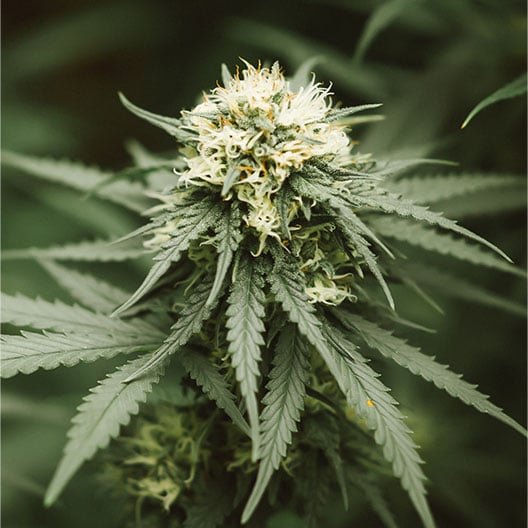
This is because the outer calyxes often mature first, giving a frosty, finished look at first glance. However, just because they appear done on the surface doesn’t mean the inner portions of the bud aren’t still developing.
Because these inner areas don’t receive as much light, they can sometimes move on a slightly slower timeline. Thankfully, growers can easily magnify the buds and peek slightly beneath the surface using an instrument called a loupe. This tool will help give you a better sense of just how mature your buds actually are.
Aroma and Flavor
This strain’s dominant terpenes include limonene, caryophyllene, and linalool. These compounds work together to shape Banana Pudding’s profile in a way that mirrors both its parent strains, yet produces a fragrance that is entirely new.
Limonene contributes a bright, sweet edge that lifts the overall fragrance. Caryophyllene adds grounded elements such as pepper and spice, which provide a pleasant contrast and ground the profile. Linalool softens everything out with its smooth, floral quality, offering a complex, yet cohesive finish.
Yields, Flowering Times, and Harvest
In true indica-dominant fashion, Banana Pudding’s flowering time is relatively efficient, clocking in at around 55–65 days. With appropriate care, this strain can also produce impressive indoor yields of up to 500 grams per square meter. Outdoor growers can anticipate a generous harvest as well, with many cultivators reporting yields of up to 700 grams per plant.
[/vc_column_text][/vc_column][/vc_row]| Breeder | Dutchman Seeds |
|---|---|
| Pack Size | 10 Seeds, 25 Seeds, 3 Seeds, 5 Seeds |
| Genetics | Girl Scout Cookies x Banana OG |
| Parental Lineage | Banana OG, Girl Scout Cookies |
| Cannabis Species | Indica Hybrid |
| Blend | 70% Indica / 30% Sativa |
| Flowering Time | 55-65 days |
| THC | 31% |
| THC Level | High (>20%) |
| CBD Level | Low (<2%) |
| Effects | Relaxed, Sleepy, Uplifting |
| Terpene Profile | Caryophyllene, Limonene, Linalool |
| Yield Indoors (per m²) | Up to 500 g/m² |
| Outdoor Yield (per plant) | Up to 700 g per plant |
| Yield Level | XL Yield |
| To Target | Anxiety, Loss of appetite, Low mood |
| Taste | Creamy, Sweet, Vanilla |
| Skill Level | Intermediate |
| Plant Sex | Feminized |
| Flowering Type | Photoperiod |
| Where to Grow/Cultivate | Indoor/Outdoor |
| Size | Medium |
Related products

Beginner Friendly Seeds
High THC Strains

High THC Strains

Beginner Friendly Seeds

Beginner Friendly Seeds
High THC Strains


Autoflower Seeds
Beginner Friendly Seeds