


Lilac Diesel Seeds


Price range: $33.85 through $216.51
This 50/50 hybrid is bred from Cherry Pie, Citral Glue, Gelato, and Loud Berry. These multiple influences create a pleasant blend of physical and cerebral effects. While it’s known to help ground the body and light up the mind in one fell swoop, some cite its layered terpene profile as what truly sets it apart.
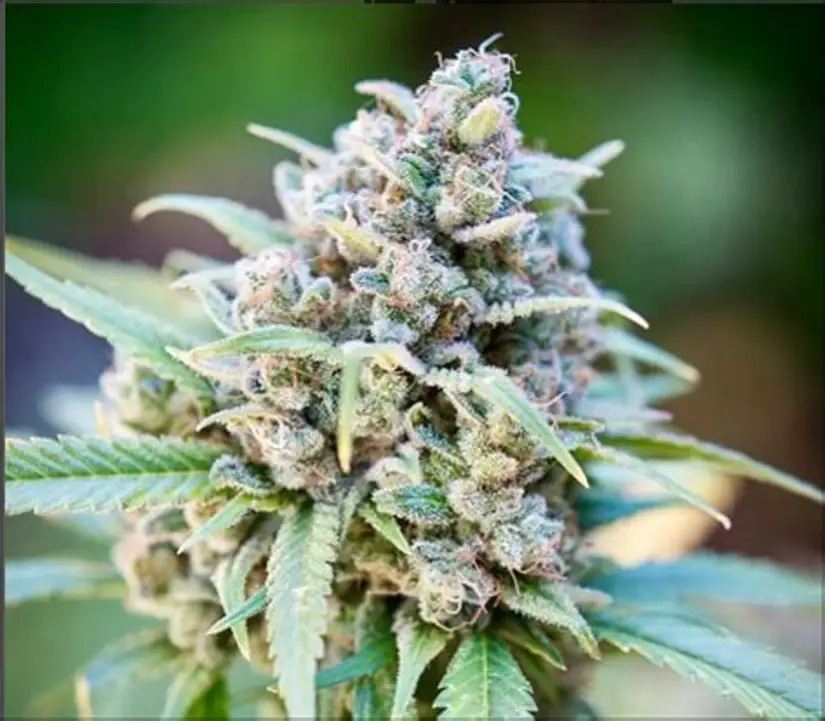
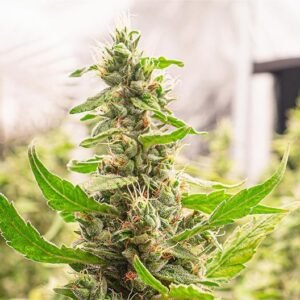
Lilac Diesel’s dessert-like scent is set against a fuel base, making for an aroma that is anything but one-note. A major hit with flavor chasers, Lilac Diesel seeds also produce weighty, resinous buds and remain a fave among those who love nuanced hybrids.
- THC levels up to 21%
- 50% indica 50% sativa
- Euphoric, uplifting, creative, relaxing
- Total time from flowering stage to harvest: 60–70 days
- Growing experience level: Intermediate
Lilac Diesel: An Aromatic, Balanced Hybrid
Lilac Diesel is a perfectly balanced hybrid with solid psychoactive effects and a delicate aroma profile. Well-known for its interplay of physical and cerebral traits, it tends to appeal to cannabis fans who like the best of both worlds. Its 1:1 indica-to-sativa ratio promotes physical, grounding effects and clear insights alike.
Cherry Pie, Gelato, and Citral Glue all contribute blissful, indica effects and a solid cannabinoid profile. Meanwhile, Loud Berry lights up the sativa side, promoting crystal-clear thoughts and a refreshing, fruity punch.
Lilac Diesel’s cannabinoid profile falls into the high-potency range, but doesn’t veer into extreme territory. For many fans, its powerful yet manageable effects are actually a plus. At 21% THC, it has a knack for bending the mind, but stops before reaching truly knockout levels. These effects carry out against the backdrop of floral, diesel notes, making for a truly unique smoke.
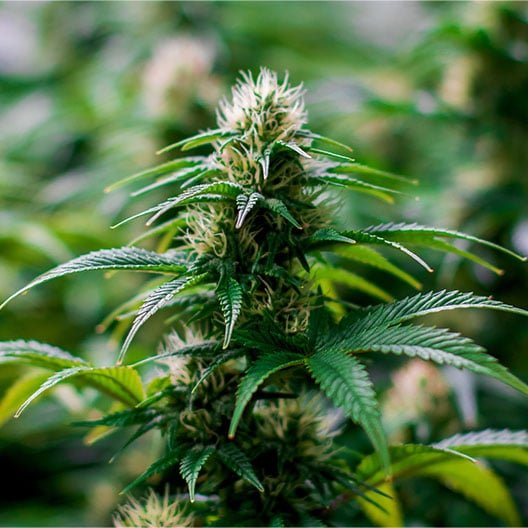
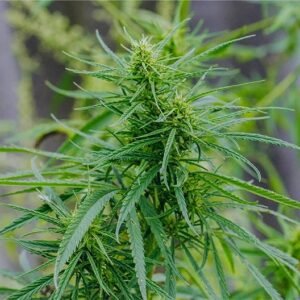
Lilac Diesel seeds are also a hit with growers because they produce mint green buds that are small and manageable yet pack a punch.
Growing Tips for Lilac Diesel
While this strain is best-suited to those with some past cultivation experience, growers of all skill levels can help ensure a generous harvest by having a solid plan in place. Below, we’ve outlined a few key things to keep in mind while growing your Lilac Diesel plants.
Dial in your plants’ environment
Lilac Diesel is relatively forgiving when it comes to minor temperature swings, which makes it approachable for newer growers. However, consistent environmental control is still essential if you want to preserve its full terpene expression. Aim to keep daytime temperatures in the 75–80°F range with lights on, and avoid large fluctuations between day and night.
Relative humidity should be kept in an appropriate range for each growth stage, gradually lowering into flower to reduce mold risk and protect resin quality. Pair this with adequate light intensity and even canopy distribution to support uniform bud development.
Watch nutrient levels
During the mid-to-late flowering stage, your Lilac Diesel plants will typically need more phosphorus and potassium. While it’s good to increase your levels, it can also be easy to overfeed at this stage. Excess nutrients can cause something called “nutrient lockout,” which occurs when nutrients build up in the growing medium and in turn, block root uptake. To sidestep this potential challenge before it begins, make sure you are using a bloom formula, and mix your nutrients as directed on the product label (usually measured in milliliters per gallon of water).
Maintaining proper pH levels of around 6.0–6.5 (or 5.8–6.2 in a soilless or hydro setup) can also help keep your plants healthy. Finally, make sure to water until you see a small amount of runoff; this process will help flush out excess salts and keep your plants’ uptake balanced.
Encourage high-chroma colors
Lilac Diesel’s signature purple and violet can be enhanced through tweaks to the environment. Growers who want to give their plants that extra punch are encouraged to gradually lower nighttime temperatures by about 10-15 degrees Fahrenheit (6-8 degrees Celsius). Begin by dropping temperatures 2-3 degrees per night until you reach your target. This should typically be done in the last 1-2 weeks of the flowering stage.
Some growers also experiment with ice water during the final irrigations, but this approach is a little trickier and can shock your plants’ roots if overdone. Dipping the temperatures slowly is typically the simplest and most effective way to boost Lilac Diesel’s color without stressing your plants.
Yields, Flowering Times, and Harvest
Lilac Diesel’s flowering time usually lasts around 60–70 days. While its buds are quite small, this strain is a prime example of quality over quantity. With appropriate care, your Lilac Diesel plants will produce up to 150 grams per square meter using an indoor setup. Outdoor growers can look forward to up to 150 grams per plant under stable conditions.
Dominant Terpenes in Lilac Diesel
This strain’s fragrance is one of its defining characteristics. Cherry Pie and Gelato contribute sweeter, fruit-forward notes, while Citral Glue and Loud Berry push in sharper citrus and diesel tones. The result is a strain that’s layered with unique scents and flavors. More specifically, Lilac Diesel’s dominant terpenes include terpinolene, caryophyllene, and pinene. Terpinolene brings a bright, slightly sweet herbal top note that sets an airy opening. Caryophyllene adds depth and subtle spice, grounding the profile and preventing it from becoming overly sweet. Pinene contributes a clean, resinous edge, while supporting terpenes such as ocimene, sabinene, and valencene extend the profile with citrus, woody, and tropical undertones.
Germination Guarantee
Growers of all skill levels interested in growing their own Lilac Diesel seeds are invited to try out our easy-to-follow germination method. This process is designed to make the first step in the growing process as simple as possible, and only requires basic household items such as a glass of tap water, a paper plate, and some paper towels. Additionally, growers who use our germination method can rest easy knowing that their seeds are fully protected by our germination guarantee.
[/vc_column_text][/vc_column][/vc_row]| Breeder | DNA Crew |
|---|---|
| Pack Size | 10 Seeds, 25 Seeds, 3 Seeds, 5 Seeds |
| Genetics | Cherry Pie x Citral Glue x Gelato x Loud Berry |
| Parental Lineage | Cherry Pie, Citral Glue, Gelato, Loud Berry |
| Cannabis Species | Hybrids |
| Blend | 50% Indica / 50% Sativa |
| Flowering Time | 60-70 days |
| THC | 21% |
| THC Level | High (>20%) |
| CBD Level | Low (<2%) |
| Effects | Creative, Euphoric, Relaxing, Uplifting |
| Terpene Profile | Caryophyllene, Pinene, Terpinolene |
| Yield Indoors (per m²) | Up to 150 g/m² |
| Outdoor Yield (per plant) | Up to 150 g per plant |
| Yield Level | Standard Yield |
| To Target | Lack of Focus, Low mood, Stress |
| Taste | Berry, Citrus, Diesel, Floral |
| Skill Level | Intermediate |
| Plant Sex | Feminized |
| Flowering Type | Photoperiod |
| Where to Grow/Cultivate | Indoor/Outdoor |
| Size | Medium |
Related products
High THC Strains

Beginner Friendly Seeds

High THC Strains
Beginner Friendly Seeds


High THC Strains


High THC Strains

Hybrids
Beginner Friendly Seeds