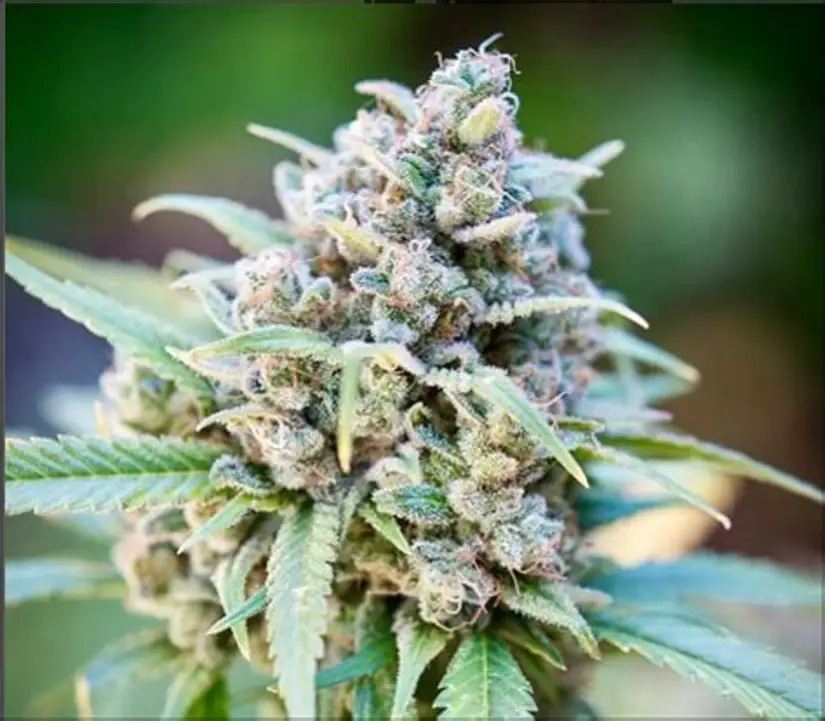
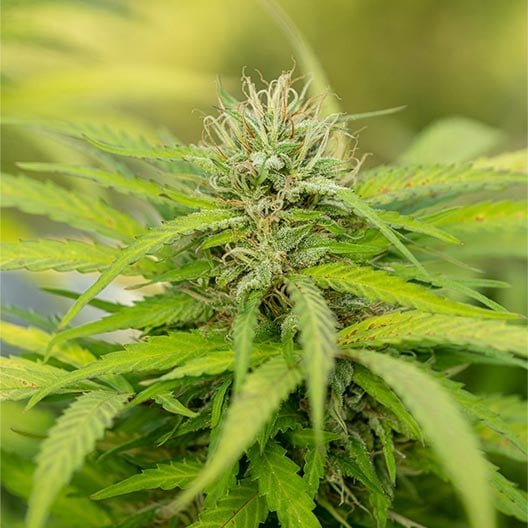

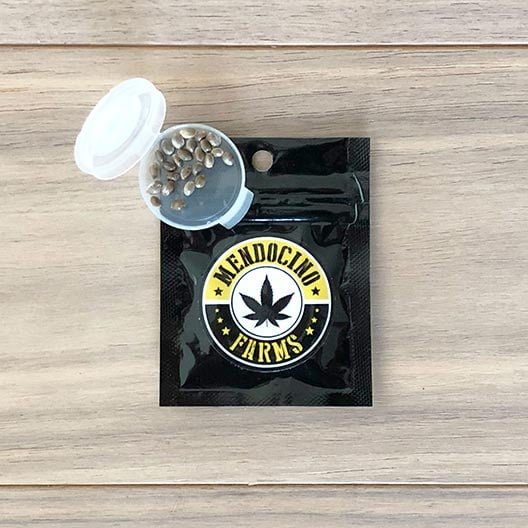
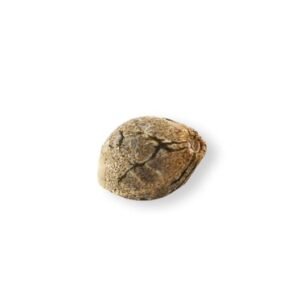


Dutchberry: Blueberry Treat
Combining uber-popular parent strains Dutch Treat and DJ Short’s Blueberry gave life to this one-of-a-kind offspring. The potent Sativa-dominant hybrid that originated in Washington state has taken home numerous awards over the past decade. Great for daytime use, this super social strain provides a boost of cerebral and physical energy perfect for a highly functional morning or afternoon buzz.
With a massive THC content of 27%, Dutchberry was created for true cannabis aficionados. Even the smallest of hits will bring on the desired effects. Designed for increased focus and creativity, this strain is perfect for artists looking to disengage their inhibitions. It is also a great choice for folks who are yearning to be more social. Whether you are using it at home to accomplish tasks or relieve yourself of your natural introversion, Dutchberry will help you accomplish either.
Growing Tips for Dutchberry Seeds
Dutchberry plants grow shorter than your average strain and reach a maximum indoor height of 5 feet and an outdoor height of 6.5 feet. Like most cannabis strains, it performs best in a closely-controlled environment with Mediterranean climates and lots of sunlight, real or artificial, but because it can endure minor dips and spikes concerning heat and moisture, it serves as a practical choice for intermediate growers. Below, we’ve provided effective ways to simplify and streamline the growing process.
Establish consistent conditions
Daytime temperatures of approximately 70-80 degrees Fahrenheit or approximately 21-27 degrees Celsius are ideal for Dutchberry plants. You can drop the temperatures between 5-15 degrees at night to mimic natural sunlight and nighttime temperatures indoors. Humidity levels should fall between 60-75% during the vegetative stage, and drop to 40-50% during the flowering phase. A reduction in moisture helps eliminate the risk of mold while encouraging a more potent terpene profile.
Recommended Training Techniques
Low-stress Training, Screen of Green (ScrOG), and Topping are the best techniques for the particular strain. These techniques will allow the plant to grow naturally without much outside influence. The ScrOG technique requires adding screens or nets to reinforce the heaviest buds so they don’t break the branches during growth. Topping the plant requires a bit of trimming to the top-most buds to allow air flow and light to reach the lower levels, ultimately creating even level growth from top to bottom.
Fine-tune nutrient levels
All cannabis plants benefit from nitrogen, phosphorus, and potassium (NPK). During vegetative growth, Dutchberry prefers a well-balanced nutrient cycle throughout the growth, as it promotes leaf and stem production. However, because nitrogen encourages leaf growth, it’s important to reduce levels during the flowering stage. This will allow your plants to channel their efforts towards resin-rich bud development instead. To lower nitrogen levels, try using a bloom formula or simply dilute your existing feed.
Germinating Your Dutchberry Seeds
Our straightforward germination guide is an easy-to-understand way for growers of all skill levels to start the growing process. If you have basic items on hand, such as paper towels and water, you can germinate your Dutchberry seeds like a pro.
Our step-by-step process allows taproots to emerge within 3–7 days, following which your seeds can be transferred to nutrient-rich soil, a hydroponic setup, or another growing medium of your choice. As an added benefit, growers who use our technique can cultivate with confidence, knowing their seeds are fully protected by our germination guarantee.
Yields, Flowering Times, and Harvest
The Dutchberry strain has a flowering period of approximately 60-70 days, with outdoor harvests typically occurring in mid-October. Indoor growers will produce up to 400 grams of trichome-rich buds under proper care, while outdoor growers may see yields of up to 400 grams per plant, so long as environmental conditions remain stable.
Dominant Terpenes in Dutchberry
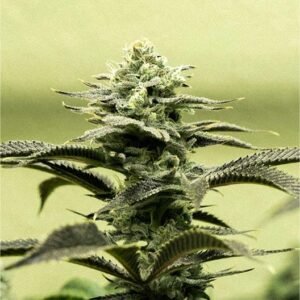
Dutchberry’s sweet berry aroma is a perfect compliment to its vanilla/earthy flavor, in part, due to dominant terpenes caryophyllene, myrcene, and pinene. Caryophyllene is known for its peppery scent and taste with noticeable notes of spice. Myrcene is the most abundant terpene found in nature, providing this strain with earthy, musky, and fruity undertones. Pinene adds a pine-like aroma and flavor that can also be found in conifer trees.
Dominant Cannabinoids in Dutchberry
Dutchberry’s THC content of 27% makes it a super strong and potent choice for experienced cannabis fans. The effects will come quickly, giving you a boost of cerebral energy that allows you to not only focus but releases your creativity along with it. The uplifting euphoria is a fan favorite in the cannabis community, especially for folks looking for exclusively Sativa effects. All of these things make Dutchberry a good daytime or afternoon choice.
[/vc_column_text][/vc_column][/vc_row]| Breeder | Mendocino Farms |
|---|---|
| Pack Size | 10 Seeds, 25 Seeds, 3 Seeds, 5 Seeds |
| Genetics | Dutch Treat x DJ Short's Blueberry |
| Parental Lineage | DJ Short's Blueberry, Dutch Treat |
| Cannabis Species | Indica Hybrid |
| Blend | 70% Indica 30% Sativa |
| Flowering Time | 60-70 days |
| THC | 17% |
| THC Level | Moderate (10%-20%) |
| CBD Level | Low (<2%) |
| Effects | Relaxed, Sleepy, Tingly |
| To Target | Fatigue, Headaches, Pain |
| Yield Indoors (per m²) | Up to 400 g/m² |
| Yield Outdoors | Up to 400 gr |
| Yield Level | Standard Yield |
| Terpene Profile | Caryophyllene, Myrcene, Pinene |
| Taste | Berry, Pine, Sweet |
| Skill Level | Easy |
| Size | Medium |
| Plant Sex | Feminized |
| Flowering Type | Photoperiod |
| Where to Grow/Cultivate | Indoor/Outdoor |
Related products

Beginner Friendly Seeds


Autoflower Seeds
Hybrids


High THC Strains
Beginner Friendly Seeds

High THC Strains
High THC Strains

High THC Strains